

Financial Institution Global Academy – Paytech Day explore the future of payments, risk and digital assets
Standard Chartered recently hosted its Financial Institutions Global Academy – PayTech Day, bringing together clients, industry experts and colleagues to discuss the trends reshaping the financial services landscape. The discussions covered a range of topics, from the macroeconomic forces shaping 2026 to the growing impact of AI across financial services.
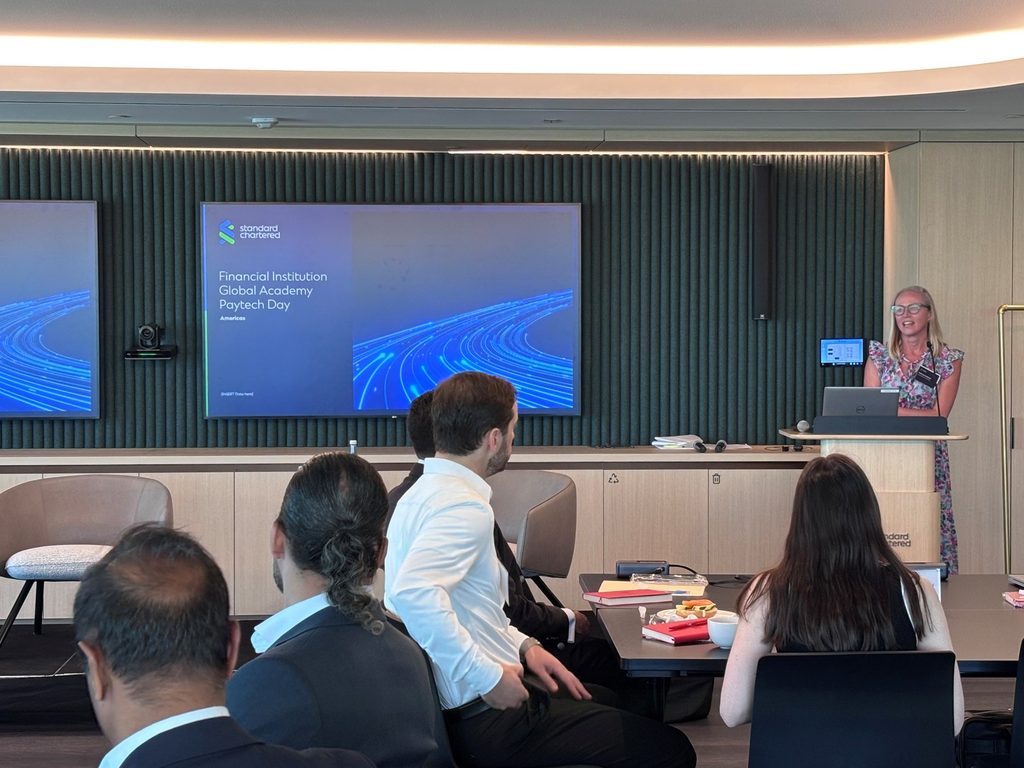

Technology, productivity and the macro-outlook
Setting the scene, we examined the macroeconomic forces likely to shape the years ahead.
Productivity growth remains the most fundamental force driving economic wellbeing, asset market performance, and long-term prosperity. While it’s notoriously difficult to measure, we’re now seeing encouraging signs that productivity is accelerating, which is helping firms across industries lift their profitability trajectories. Unlike popular concerns, this trend doesn’t necessarily threaten employment, especially in the US, where flexible labor markets allow firms to adapt quickly by hiring and firing as needed. In fact, this shift is likely to push interest rates higher while sustaining solid growth prospects.
The US, in particular, stands out as a leader in AI technology development, thanks to its access to affordable energy, highly skilled human capital, flexible labour dynamics, and a robust ecosystem of risk-taking financial markets and experienced tech managers. These advantages, combined with rising interest rates, are expected to attract capital and further support the US dollar.
It’s important to recognise that “AI” now serves as shorthand for a wide spectrum of innovations. While emerging markets may face challenges in driving AI adoption at the same pace, these technologies, alongside advancements in areas like crypto, decentralized finance, and transaction banking, present exciting opportunities. By embracing these developments, financial sectors in emerging markets can rapidly boost efficiency and unlock new value for their economies.
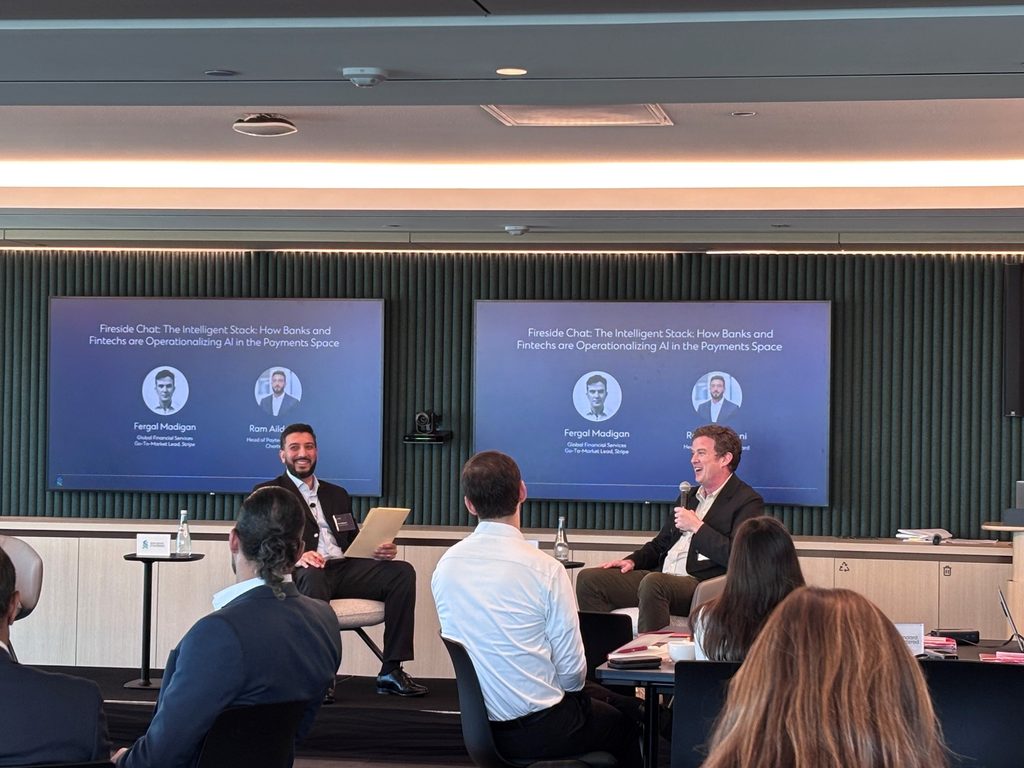
Agentic commerce and its evolving role in the payments landscape
While agentic commerce is still a relatively small segment within overall payments, it is rapidly gaining momentum. Industry forecasts suggest that by 2030, anywhere from 10% to 25% of all e-commerce transactions will involve agents, marking a significant shift in how digital commerce operates.
This coming wave of agent involvement means financial institutions, including both banks and fintech companies, will need to proactively update their technology stacks or partner with innovative players to keep pace. Agentic commerce brings unique requirements to the table that haven’t been fully addressed within current financial systems. For example, there’s a notable increase in the velocity of transactions, often occurring during off-peak hours and offering better price discovery. Additionally, agent connectivity to card networks, wallets, and bank accounts is becoming essential for seamless, secure payment experiences.
To ensure e-commerce continues to grow in a safe, sustainable, and well-regulated environment, updating banking and fintech infrastructure is not just recommended – it’s necessary. Staying ahead of these trends will position Standard Chartered to meet evolving customer needs and maintain our leadership in payments innovation.
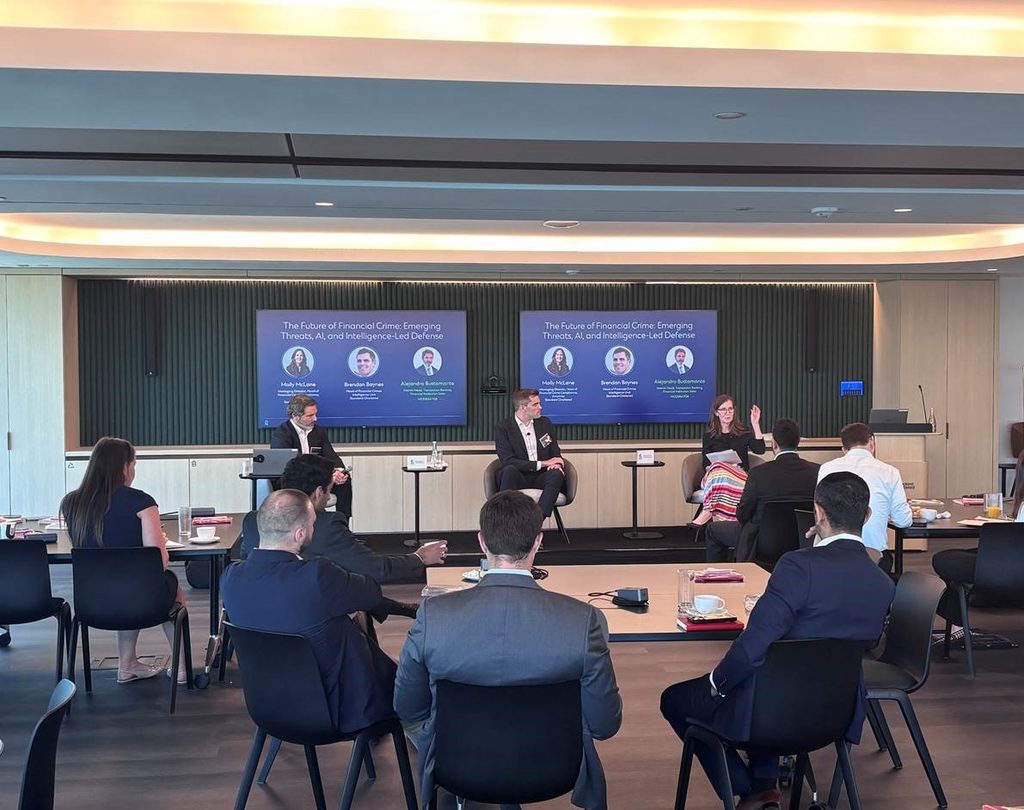
Building resilience against a rapidly evolving threat landscape
As innovation creates new opportunities, it is also changing the nature of financial crime. The next panel explored how financial crime risk is increasingly viewed not only as a compliance challenge but as a strategic and national security concern. Regulators are placing greater emphasis on effectiveness across anti-money laundering, sanctions and geopolitical risk frameworks, encouraging institutions to move beyond traditional compliance-led approaches.
The threat landscape continues to evolve as criminal networks leverage AI and increasingly sophisticated cross-border operations to scale fraud and exploit vulnerabilities. Against this backdrop, institutions are shifting towards more dynamic and intelligence-led models that enable real-time monitoring, enhanced network analysis and faster risk identification.
A recurring theme throughout the discussion was the importance of collaboration. As risks become more interconnected, stronger information sharing between institutions, regulators and industry participants will be critical to strengthening collective resilience.
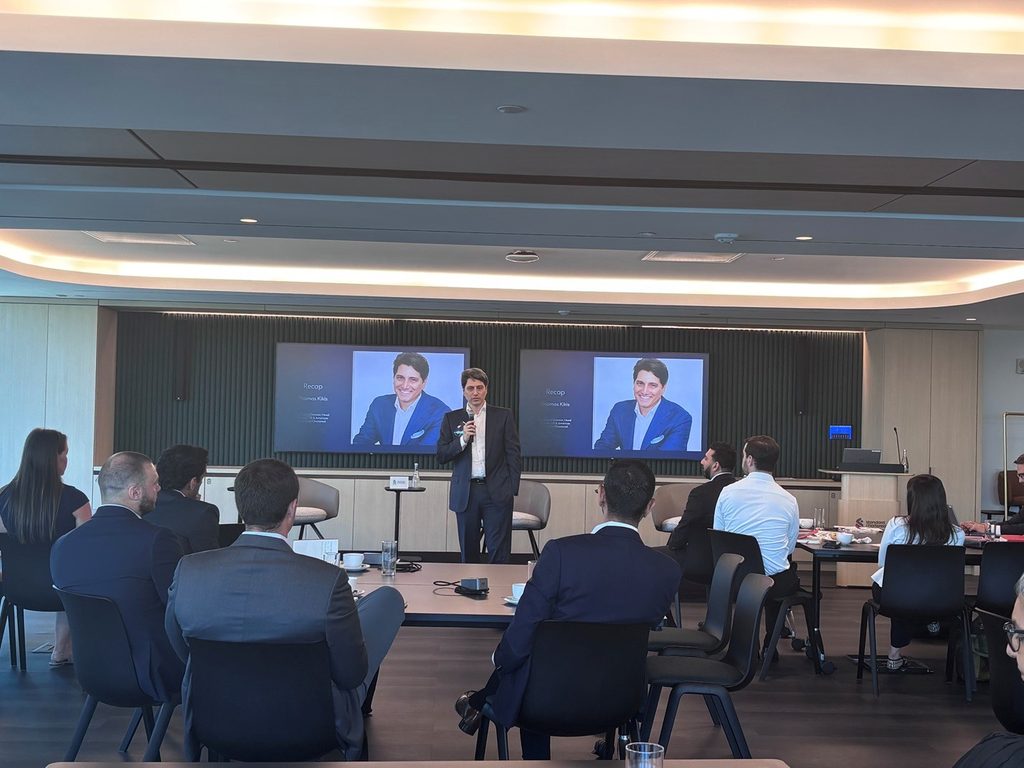
Drawing on a wealth of experience in banking, we highlighted how corporate treasury teams are taking significant steps forward, particularly by integrating emerging technologies such as artificial intelligence, and emphasized the importance of optimizing cash flow management, improving hedging strategies, and adopting stablecoins to offer safer avenues for exposure to global markets.
The session also addressed the evolving landscape of compliance and regulatory communication and noted that artificial intelligence is poised to simplify and streamline key procedures, including Know Your Customer (KYC) processes and client onboarding. As younger generations show a clear preference for technology-driven solutions, banks must continue to adapt by making client interactions as seamless and intuitive as possible. These developments collectively illustrate how rapidly the industry is evolving, with a strong focus on harnessing technology to meet the changing needs of clients.

We continued the discussion by examining how deception tactics continue to evolve alongside technological advancement. While AI is empowering bad actors with new tools and capabilities, it is also creating opportunities for institutions to enhance fraud detection, monitoring and prevention. Effective defence will depend on combining advanced technology with robust KYC and AML frameworks, as well as greater visibility across customer and transaction networks.
Reimagining cross-border payments
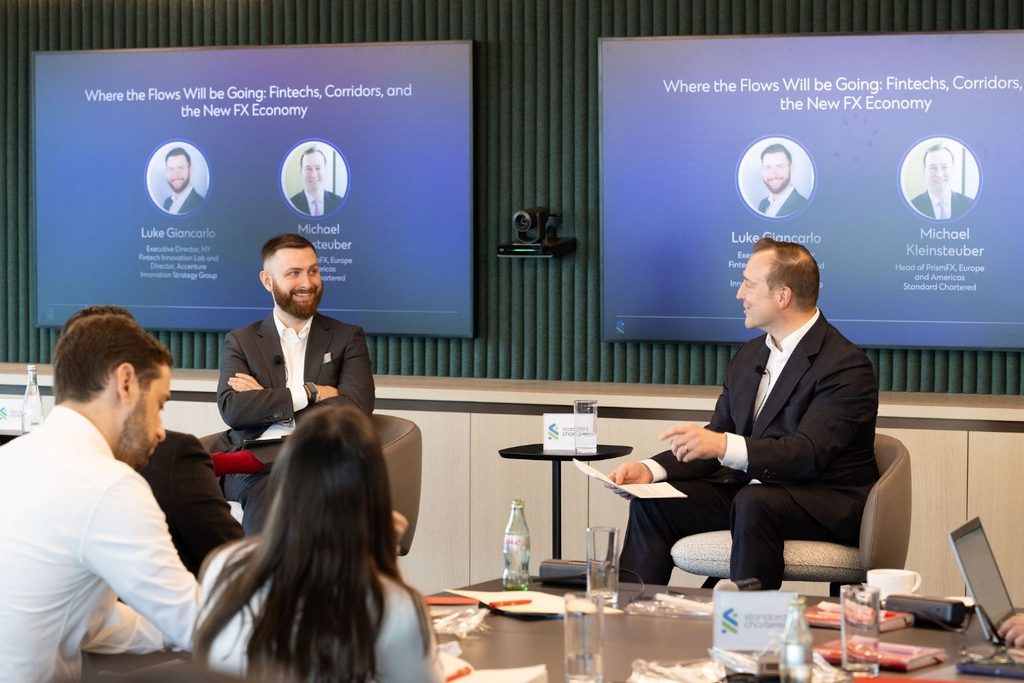
The evolution of global payment flows is creating both opportunities and challenges for financial institutions. We explored how fintechs are reshaping cross-border payments by challenging traditional correspondent banking models and introducing new orchestration frameworks designed to improve speed, resilience and efficiency.
As payment corridors evolve and geopolitical, economic and commercial dynamics shift, institutions face an increasingly complex operating environment. Rather than competing in isolation, banks and fintechs are finding new opportunities to collaborate, combining complementary strengths to deliver better outcomes for clients.
The discussion highlighted that competitive advantage is increasingly determined by resilience across the entire payment value chain. Success will require institutions to develop tailored strategies aligned to specific client needs, market opportunities and operating models.
From experimentation to institutional adoption
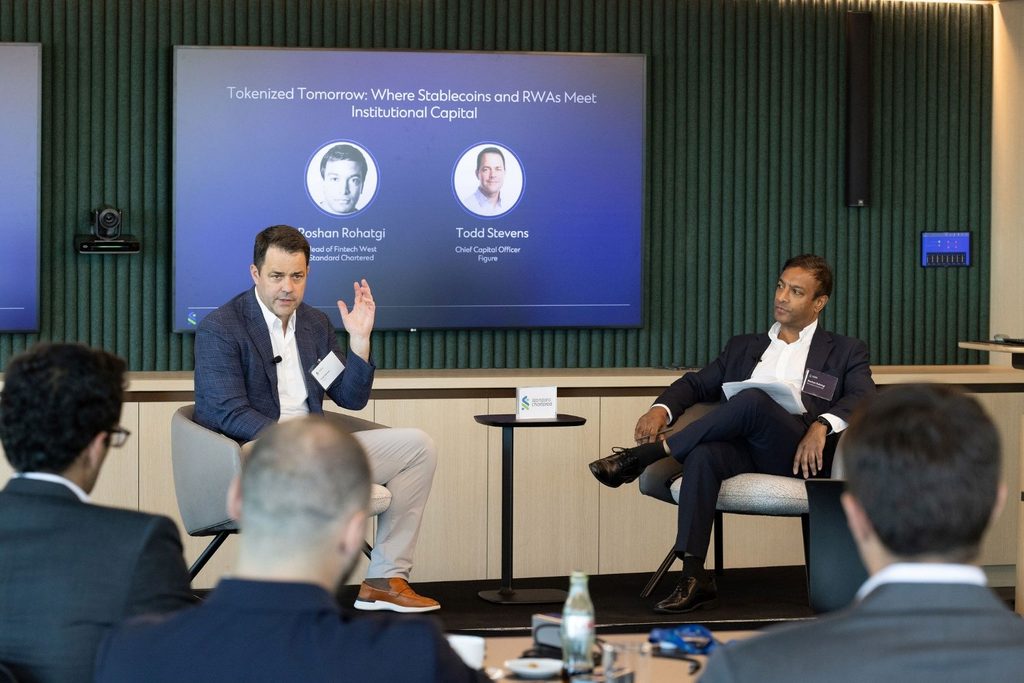
Digital assets and tokenisation have moved beyond theory and proof-of-concept discussions, with growing signs of institutional adoption beginning to emerge. We discussed how tokenised real-world assets and stablecoins are increasingly attracting attention from institutional investors, particularly for treasury management and portfolio diversification use cases.
Stablecoins are also gaining recognition as potential settlement infrastructure, offering new levels of efficiency, programmability and interoperability between traditional and digital financial ecosystems. As regulatory frameworks continue to develop, greater clarity is helping build confidence among institutions evaluating opportunities within tokenised asset markets.
While adoption remains at an early stage, the discussion highlighted how digital asset infrastructure is becoming an increasingly important consideration for financial institutions preparing for the future of capital markets and payments.

Looking ahead
Across every session, a common theme emerged: the future of financial services will be defined by institutions’ ability to adapt, collaborate and innovate.
Whether responding to macroeconomic shifts, strengthening financial crime defences, reimagining payment ecosystems or exploring digital asset opportunities, success will depend on building resilience while embracing transformation.
As technology continues to reshape the financial landscape, forums such as the Financial Institution Global Academy play an important role in bringing together diverse perspectives, fostering dialogue and helping institutions prepare for the opportunities and challenges ahead.