
Corporate Social Responsibility
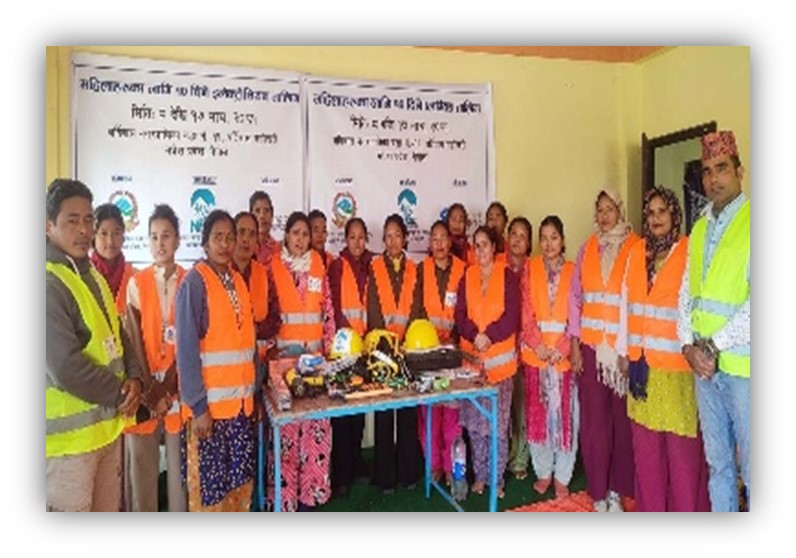
The project empowered marginalised women across Nepal by providing them with market-relevant skills in electrician and plumbing trades, addressing the increasing demand for skilled technicians in the region. Despite this demand, women often face barriers to accessing such professions due to societal norms, lack of training, and limited resources. This project aimed to bridge this gap by equipping women with technical skills, fostering their confidence, and enabling them to secure sustainable employment or start their own businesses. A total of 140 women, predominantly from vulnerable and marginalized groups across all seven provinces of Nepal, were trained. Of these, 80% demonstrated job-readiness or began freelancing work after the training. The project involved local government authorities and conducted training sessions on government premises, which facilitated post-training support in job placements and access to resources.
 |
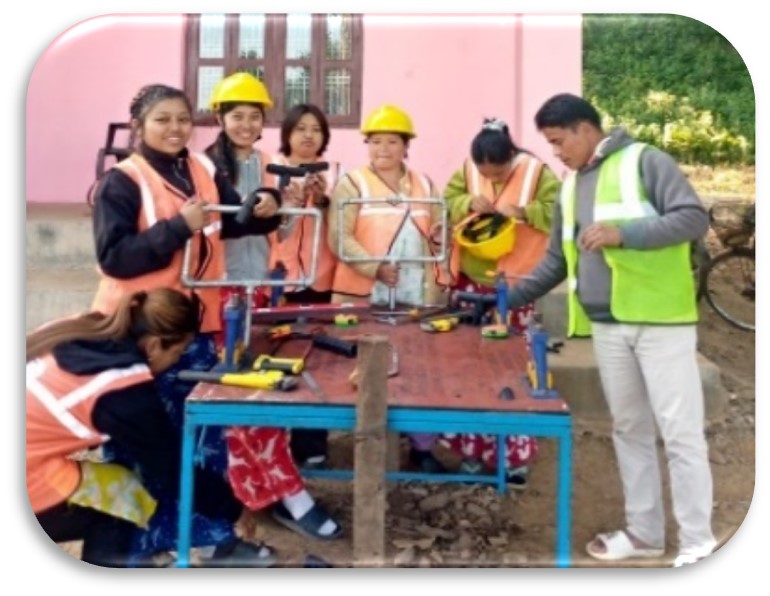 |
| Women from Navalparasi, Lumbini Province participating in plumbing and electrician training. | |
The project effectively tackled visual impairments that frequently limit education and livelihood opportunities by conducting systematic eye screenings and implementing corrective measures in remote and underserved regions of Nepal. As part of the project activities, a comprehensive free eye screening camp was held in 26 schools and communities across all seven provinces of Nepal, featuring a dedicated team of ophthalmologists and optometrists. Children diagnosed with refractive errors received free, custom-made prescription eyeglasses, while those with dry eyes were given necessary treatments and protective eyewear. Children with complex eye conditions, such as cataracts, were referred to specialized hospitals for further diagnosis and surgical intervention. Additionally, parents, guardians, and teachers who needed reading glasses or eye medications were provided with the appropriate support. Health professionals also conducted educational sessions for students, parents, and teachers, highlighting the importance of eye care, early detection of vision issues, preventive measures, and the necessity of regular eye check-ups. The project successfully conducted vision screenings for 6,743 individuals and provided 2,515 of them with free glasses, ensuring immediate corrective care. In addition to vision correction, the project distributed free eye medications and facilitated advanced treatment referrals for 81 community members. This comprehensive approach addressed a wide range of eye health needs, delivering essential care to people in remote areas.
 |
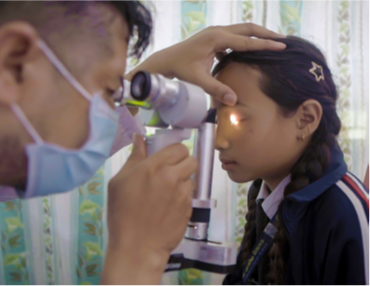 |
| Students from Shree Punya Smarika Basic School, Tinghare, Illam, Koshi Province wear their new glasses after eye screenings. | A student undergoing an eye test during a screening camp in Nuwakot, Bagmati Province. |
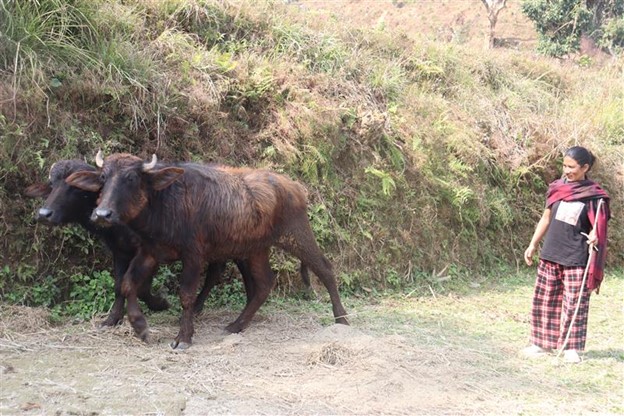
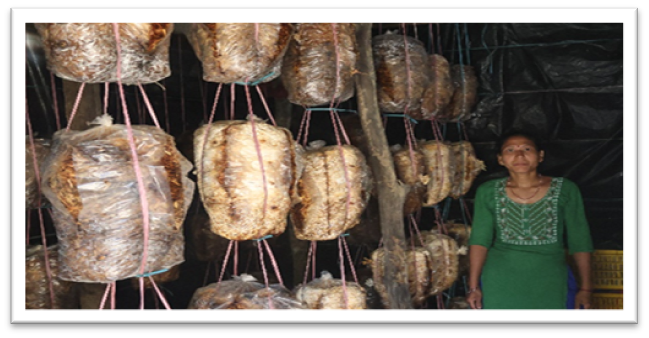
The project helped promote economic independence for single-mother-headed households and families with differently-abled partners by providing skills in entrepreneurship, financial literacy, and market linkages. This initiative directly improved the well-being and protection of children, as caregivers became confident entrepreneurs, leading to stable earnings that support better nutrition and safer homes. A total of 50 economically disadvantaged families, including those headed by single mothers and those with differently-abled members, along with 17 additional vulnerable families, received skill development and entrepreneurial training for sustainable livelihoods in sectors such as animal farming, agriculture, retail, and handicrafts.
 |
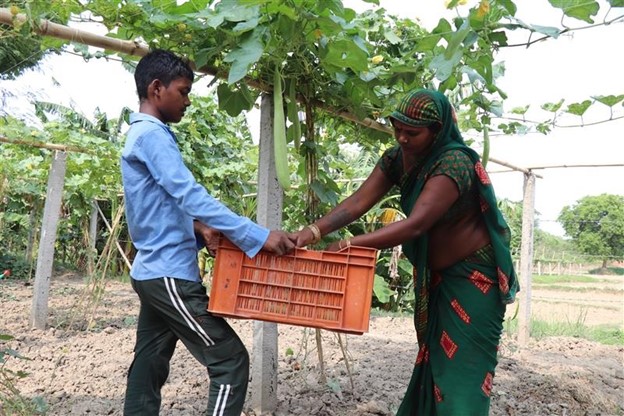 |
| Participant from Gandaki province working for livelihood | Participants from Lumbini province working together to harvest vegetables |
 |
|
| A dedicated mushroom farmer from Bansgadhi, Lumbini, cultivating mushrooms. | |
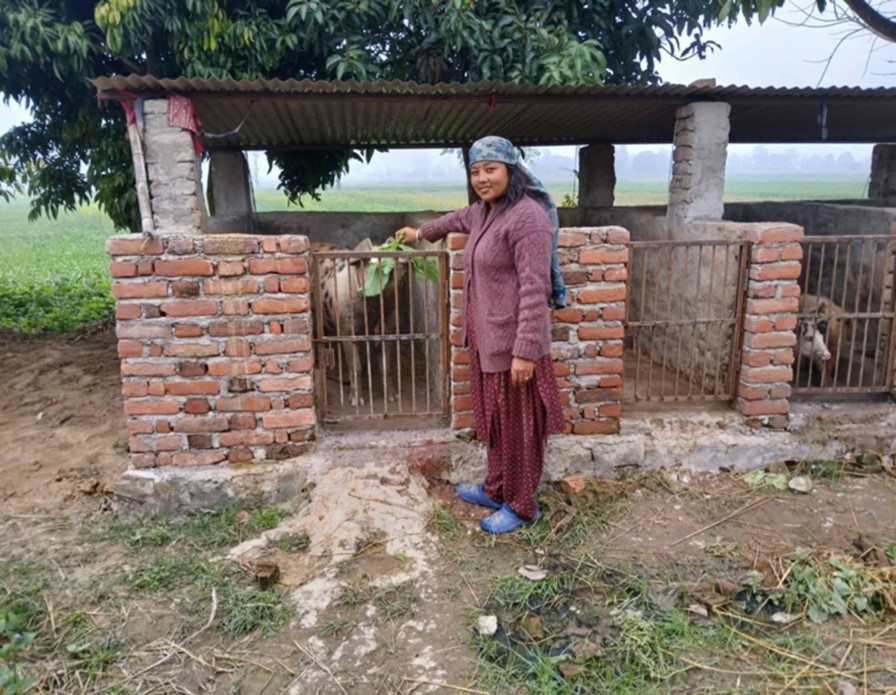
The project facilitated access to financial resources and markets for women from marginalised communities by connecting them with banks, microfinance institutions, and e-commerce platforms. It established successful collaborations with local governments, cooperatives, and insurance providers, creating a robust support network for women entrepreneurs. Approximately 150 economically disadvantaged women entrepreneurs from marginalised and vulnerable communities across the provinces of Koshi, Madhesh, Gandaki, Lumbini, Kamali, and Sudurpaschim received comprehensive field-level training. These trainings focused on product marketing, digital skills, and e-commerce platforms, thereby strengthening their access to finance and digital markets. Participants also received orientations on government programs, policies, loans, microfinancing, and insurance schemes designed for women entrepreneurs and MSMEs.
 |
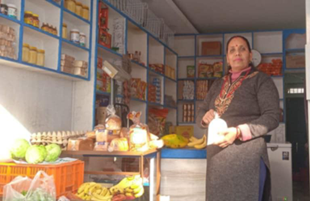 |
| Shakuntala Chaudhary, from Kailali, Sudurpaschim Province, has significantly increased her capacity for raising and selling pigs. | Goma Adhikari, from Kaski, Gandaki Province, is now a successful shopkeeper. |
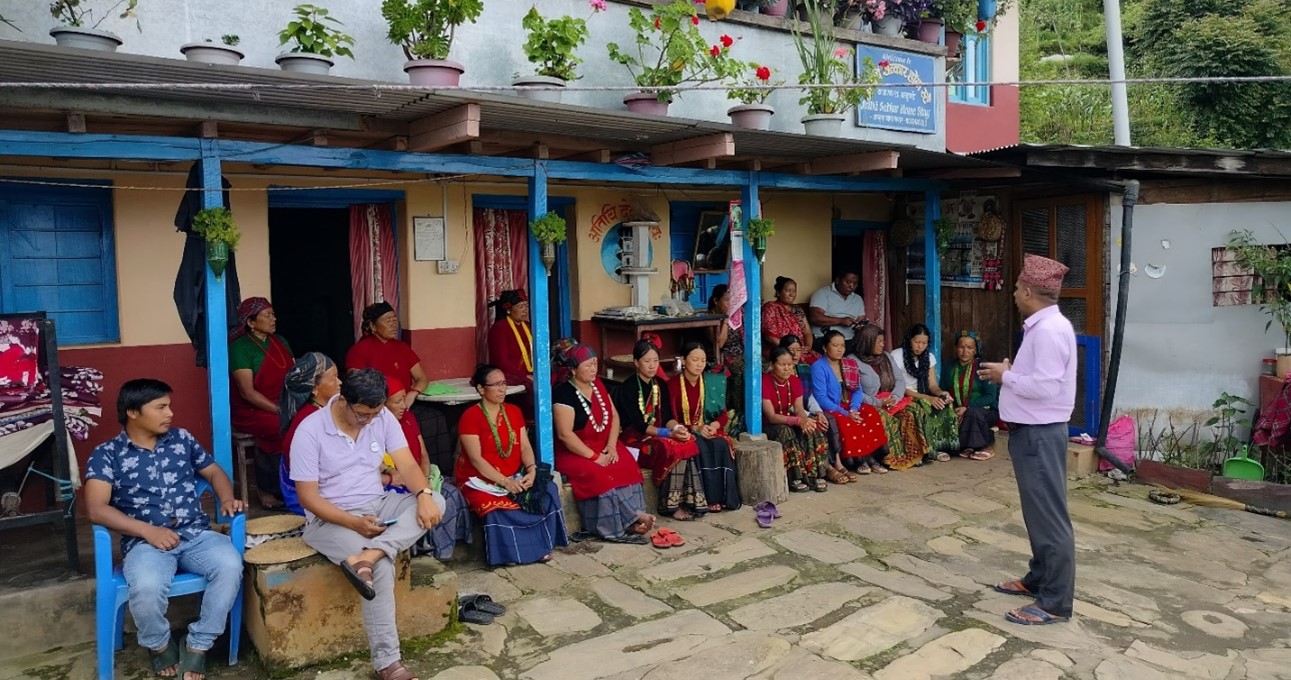
The project enhanced the socio-economic status of marginalised women by promoting eco-tourism and homestay businesses through entrepreneurship skills and business digitization in Gandaki and Lumbin Province. A comprehensive curriculum, delivered by local resource persons and overseen by FWEAN chapter presidents, provided practical skills in hospitality and business management. This included digital literacy training, equipping participants with the ability to use digital tools for business management and informed decision-making. Additionally, participants received training in digital marketing, learning to leverage social media and online techniques to increase their business visibility and connect with a broader customer base. A total of 26 women were trained and supported with resources in eco-tourism and business digitization, resulting in a 10 percent increase in income.
 |
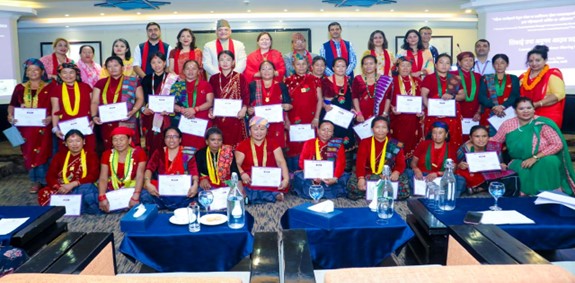 |
| Community homestay trainings being provided to the participants in Baglung, Gandaki Province. | Participants from Gandaki Province and Lumbini Province receiving certificates post the training on eco-tourism community homestays. |
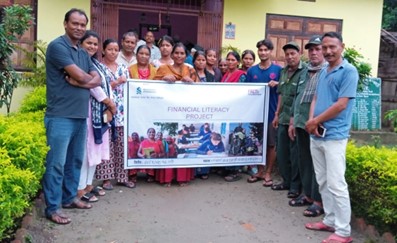
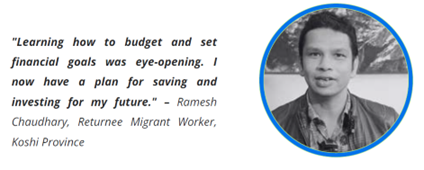
NRB’s structured approach to financial literacy helps individuals acquire essential knowledge, skills, attitudes, and behaviors, enabling them to make informed financial decisions, manage resources effectively, and protect their financial interests. This approach helps increase financial access among the hard-to-reach population of Nepal. NRB’s financial literacy framework ensures greater participation in the formal financial system, promoting economic inclusion and reducing financial vulnerability. SCBNL’s efforts to promote financial literacy reflect its commitment to fostering economic inclusion, particularly for underrepresented groups. By targeting individuals from diverse backgrounds, such as those with regular and irregular incomes, women, youth, students, and remittance receivers, the bank equips them with the knowledge and skills to make sound financial decisions. These initiatives create lasting change, benefiting not only individuals but also positively impacting communities, as better financial literacy leads to greater access to opportunities and resources for growth. SCBNL collaborated with FinLit Foundation to benefit 1,077 people from seven provinces, including 793 students.
 |
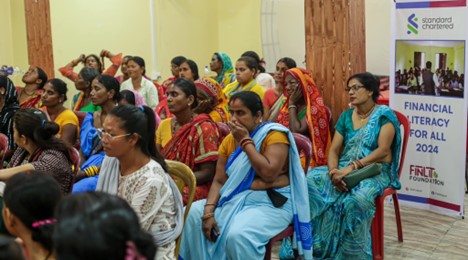 |
| Participants of the financial literacy sessions in Kanchanpur, Sudurpaschim Province. | Women attending the financial literacy sessions in Sarlahi, Madesh Province. |
 |
|
The Enhancing Opportunities for Inclusive Development project aims to significantly advance support for children with physical disabilities across all seven provinces in Nepal. The project will identify vulnerable children in need and provide a comprehensive suite of services, including essential rehabilitation such as physiotherapy and the distribution of assistive devices. Beyond direct care, the project will raise community awareness on disabilities and foster crucial collaboration between medical providers, local governments, and communities to build a more inclusive and supportive environment for children with disabilities.
The Combating Trafficking in Persons and Gender-Based Violence in Nepal project will implement strategies to mitigate human trafficking and gender-based violence while managing undocumented migration across Koshi, Madhesh, Gandaki, Lumbini, Karnali, and Sudurpaschim Provinces. The project will raise awareness through border surveillance and information dissemination, conduct financial literacy programs for women migrant workers, and create strategies to intercept and rescue girls and women at risk of trafficking. Support for survivors and those at risk will be provided through emergency shelters, while coordination will be strengthened via quarterly meetings with local representatives and leaders. Additionally, the project will offer vocational training to survivors, creating opportunities for self-employment and financial autonomy, and will engage students and community members in the fight against gender-based violence.
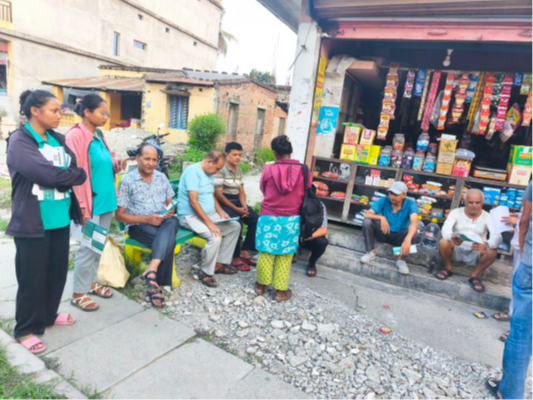
The Green Steps Empowering Nepal Through Waste Reduction project will enhance sustainable waste management practices, promote environmental responsibility, and improve community health across Koshi, Madhesh, Gandaki, Lumbini, Karnali, and Sudurpaschim Provinces. Key initiatives include launching educational programs on zero-waste management, eco-community health, plantation and clean-up campaigns, integrating wastewater management, generating value from Multi-Layered Plastics (MLP), installing waste bins, and promoting waste segregation and composting of organic waste. Waste workers will receive specialised training on occupational health, safety, and reproductive health, along with PPE sets to ensure safe working conditions. Additionally, the project will launch the Safa Nepal application to digitise community waste management practices, with community orientation sessions to promote its use. The project will engage a wide range of participants—including students, teachers, school staff, waste workers, local community members, and vulnerable women—and will collaborate with local governments to ensure accountable and effective waste management systems.
 |
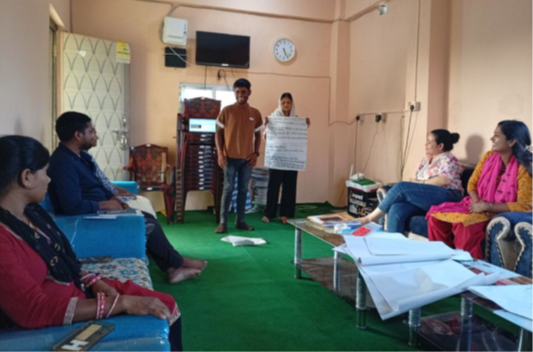 |
| Participants from Madhesh province working/learning about the mobile application | Training on Environmental issues in Madhesh province |
The Bricklaying and Self-Development for Women from Marginalised Communities project aims to empower women across Koshi, Madhesh, Gandaki, Lumbini, Karnali, and Sudurpaschim Provinces with economic opportunities through vocational training in bricklaying and financial literacy classes. This comprehensive approach is designed to enhance their financial independence and ensure long-term employability. The training aligns with the demands of the local construction industry, ensuring the skills taught are directly applicable to the current job market. By potentially linking the training with local projects, the initiative aims to create a continuous demand for skilled workers and provide opportunities for participants to apply their newly acquired skills.
The Sustainable Knowledge, Building Wealth project is designed to inspire financial management skills and foster sustainable entrepreneurship for marginalised communities across Koshi, Madhesh, Gandaki, Lumbini, Karnali, and Sudurpaschim Provinces. Recognising the distinct challenges and significant economic potential within each province, the project integrates financial education, entrepreneurship training, and sustainable business practices. This holistic approach aims to promote long-term economic empowerment and resilience among diverse target audiences. The project will offer specialised entrepreneurship training and sustainable business consulting for both new and established business owners, enhancing participants’ skills in identifying market opportunities, conducting feasibility studies, and managing sustainable enterprises. A key component is integrating climate-smart, resilient actions to ensure business sustainability. The primary audiences for this initiative are defined according to Nepal Rastra Bank’s Financial Literacy Framework.
The Empowering Youth through Vision Care in Nepal project addresses critical intersections between youth health, education, and financial literacy, benefiting a diverse range of participants with a primary focus on school-age children from marginalized and low-income communities. Leveraging school platforms and community collaboration, the initiative integrates vision care services with digital financial literacy training across Koshi, Madhesh, Gandaki, Lumbini, Karnali, and Sudurpaschim Provinces. By focusing on districts with the greatest need, the initiative aims to tackle inequality, break barriers to healthcare access, and foster inclusive development, empowering young individuals to pursue education and brighter futures.
The Capacity Building Project for Marginalised and Vulnerable Women Entrepreneurs and Women-Led MSMEs is a comprehensive initiative designed to empower women entrepreneurs and women-led Micro, Small, and Medium Enterprises (MSMEs) from marginalised and vulnerable communities across Koshi, Madhesh, Gandaki, Lumbini, Karnali, and Sudurpaschim Provinces. The project’s primary goal is to foster transformative change by enhancing participants’ business capabilities, digital skills, and access to essential resources. The project will also foster collaboration with local governments, banks, microfinance institutions, cooperatives, and insurance providers to ensure women have access to comprehensive support networks, helping to sustain their businesses and promote market opportunities. This collaborative approach benefits the wider community by increasing the availability of services, creating economic opportunities, and encouraging the growth of a more inclusive and diverse local economy.

This is to inform that by clicking on the hyperlink, you will be leaving www.sc.com/np and entering a website operated by other parties:
Such links are only provided on our website for the convenience of the Client and Standard Chartered Bank does not control or endorse such websites, and is not responsible for their contents.
The use of such website is also subject to the terms of use and other terms and guidelines, if any, contained within each such website. In the event that any of the terms contained herein conflict with the terms of use or other terms and guidelines contained within any such website, then the terms of use and other terms and guidelines for such website shall prevail.
Thank you for visiting www.sc.com/np