Powering international growth: Epiroc
Partnering together with Swedish mining equipment company Epiroc to build a regional centre of excellence across Africa.

As Epiroc expands across Africa, a more connected treasury model is giving its teams greater visibility, control and consistency across markets.
For multinational companies expanding across Africa, scale creates a familiar tension: standardisation can improve efficiency and control, yet every market has distinct regulatory requirements, payment ecosystems and business practices. It was a challenge Epiroc knew well.
The global mining equipment manufacturer was operating with more than 15 banking partners and over 100 bank accounts across Africa. Different banking systems and formats, limited connectivity and manual processes made it increasingly difficult to manage the region efficiently.
For Epiroc, addressing that complexity was closely linked to its growth ambitions.
As Epiroc expanded across Africa, one of our biggest priorities was finding a way to support growth consistently across very different markets.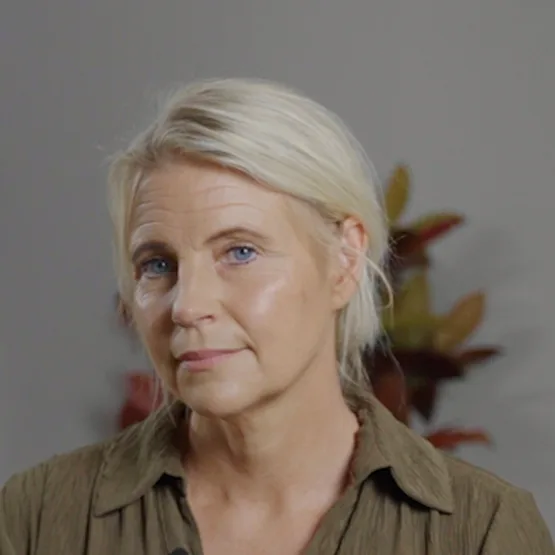 Susanne MyrénHead of Cash Management and Treasury Operations, Epiroc
The challenge was clear: create greater standardisation and centralisation across the region while continuing to meet the requirements of individual markets.
Working with Standard Chartered, Epiroc set out to create a more connected treasury model across its African operations, combining greater regional consistency with the local expertise needed in individual markets.
Watch how Epiroc turned regional complexity into a more connected platform for growth.
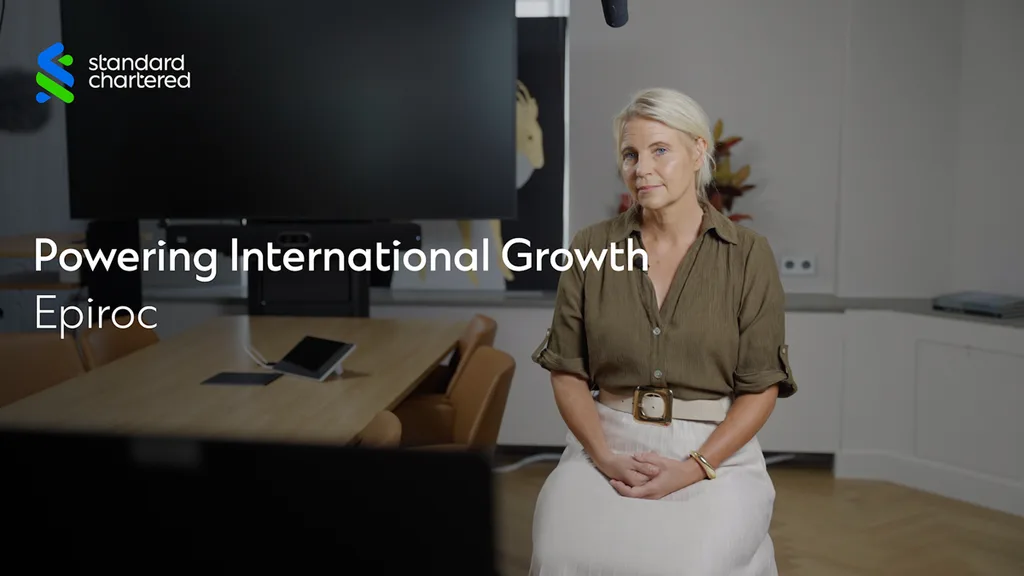
Bringing regional consistency to local markets
At the centre of Epiroc’s approach is its Regional Centre of Excellence in Johannesburg, which supports businesses across sub-Saharan Africa. Its responsibilities span across finance activities including payments, cash allocation and account reconciliation.
Centralising those activities creates an opportunity for Epiroc to work more consistently across the region. But a common operating model still needs to work within very different local environments.
Across Africa, regulatory requirements, tax considerations, payment ecosystems and market practices vary significantly. For a multinational, effective centralisation therefore depends on understanding what can be standardised across markets and where local expertise remains essential.
This is where Epiroc’s relationship with Standard Chartered became important.
Standard Chartered works with Epiroc across six African markets: South Africa, Botswana, Kenya, Tanzania, Ghana and Zambia. Working across global, regional and local teams, the two organisations established a structure connecting Epiroc’s headquarters and Regional Centre of Excellence with teams in individual markets, providing access to local knowledge while supporting its broader ambition for greater consistency across the region.
Transforming treasury visibility and control across Africa
One of the most significant changes has been the visibility available to Epiroc’s treasury team.
Previously, information on cash positions across different countries was available only monthly. Today, the team can monitor liquidity daily, allowing it to plan ahead and make more informed decisions.
The transformation has also simplified the underlying banking structure.
Epiroc’s Regional Centre of Excellence had been reconciling more than 100 bank accounts across more than 15 banks in as many countries. Through the engagement, it reduced the number of accounts by 50 per cent.
For Victor Scott, Vice President EpiCore for Southern, Eastern and Central Africa, the benefits extend beyond rationalisation. Epiroc has improved the security of bank transfers and increased transparency over bank balances and transactions across the region. More secure connections between its ERP systems and banking platforms have also helped reduce manual processes.
The result is a treasury operation with greater visibility and a clearer view across markets.
Relationships that work across borders
Technology and standardisation are only part of operating effectively across multiple jurisdictions. Access to people with the right local knowledge matters too.
Epiroc now has connections at group, regional and local levels, creating clearer routes to address issues, understand changing market conditions and support teams on the ground.
That is particularly important in markets where regulation creates additional complexity. In South Africa, for example, Epiroc has drawn on Standard Chartered’s expertise to navigate exchange controls while pursuing greater efficiency in its processes.
Standard Chartered supports us to ensure that we are still compliant while having implemented a number of efficiencies.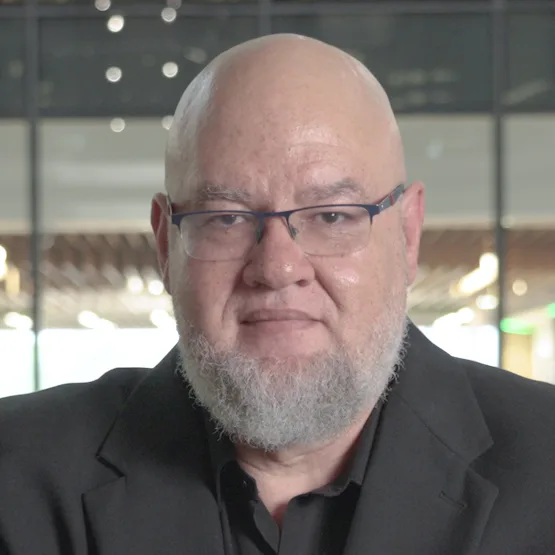 Victor ScottVice President EpiCore, Southern, Eastern and Central Africa, Epiroc
For Susanne Myrén, Head of Cash Management and Treasury Operations, Epiroc, the support structure has changed the relationship between group treasury and the markets it serves. “Before, we had no relationship with the different local banks. So now the treasury team are always up to date with the changes in market conditions,” she reflects.
That combination of regional coordination and local connectivity is increasingly important for multinational businesses. A centralised model becomes more valuable when it can accommodate what is distinctive about each market.
Building once, applying further
Perhaps the most significant outcome for Epiroc is that the work in Africa is creating lessons that can travel.
The Johannesburg centre forms part of a wider Epiroc ambition to operate its finance centres in a more consistent way. Improvements developed through the African model can therefore inform how other centres operate.
Now we take improvements that are made within Johannesburg centre to other centres across Epiroc. That is a huge benefit for us.Susanne MyrénHead of Cash Management and Treasury Operations, Epiroc
For companies expanding internationally, that may be the more enduring value of treasury transformation. Greater visibility and control can solve immediate operational challenges. A model that can be adapted and applied across markets can support the next stage of growth too.
Related insights
Case study | SC PrismFX and Visa
See how we supported Visa's expansion in B2B cross-currency payments wit…
Corridors in focus: Our clients – Marubeni
In this client story, Marubeni Middle East & Africa Power Limited ("…
Corridors in focus: Our People – Chonawut Mick Prasatsak
Singapore-based coverage banker Mick Prasatsak explains how connected ex…
Explore Corporate & Investment Banking
What we offer
We act as a global superconnector for flows from corporates and financial institutions.
Tailored solutions
Learn how we can support your business to grow across markets with our wide range of tailored products.
Global network
Discover our global footprint and how we deliver seamless cross-border solutions for lclients worldwide.