-

Guide for Adaptation and Resilience Finance
From climate risk to resilient investment
Practical guidance to assess investability and deploy capital for adaptation and resilience opportunities.

As physical climate risks intensify, the need to invest in adaptation and resilience is growing. Financial institutions have made significant progress in identifying and assessing these risks, but this has yet to translate into investment at the scale required.
The Guide for Adaptation and Resilience Finance 2.0 (GARF 2.0), developed by Standard Chartered and KPMG with input from leading market participants, is designed to help bridge that gap.
Building on the first Guide published in 2024, GARF 2.0 moves beyond identifying what qualifies as adaptation and resilience finance towards the practical question of how financial institutions can identify, assess and finance credible and investable opportunities. It provides clearer classifications, decision-useful metrics and practical guidance to help integrate adaptation and resilience into existing investment and credit processes, supporting the market in moving from risk awareness to resilience-driven investment.
As the physical impacts of climate change intensify, financial institutions need to move beyond understanding the risks to identifying where and how capital can support greater resilience. Marisa DrewChief Sustainability Officer
What’s new in GARF 2.0?

From eligibility to investability
An updated guide that emphasises resilience and commercial returns in financeable opportunities.

Assessing risk to financing decisions
A strengthened flowchart helps integrate A&R, bankability and commercial feasibility into decisions.

Clearer measurement and reporting
Activity-level metrics help assess contribution, performance and report impact consistently.

Practical application
Several end-to-end worked examples show practical uses in water security and energy resilience.
Making the case for resilient investment
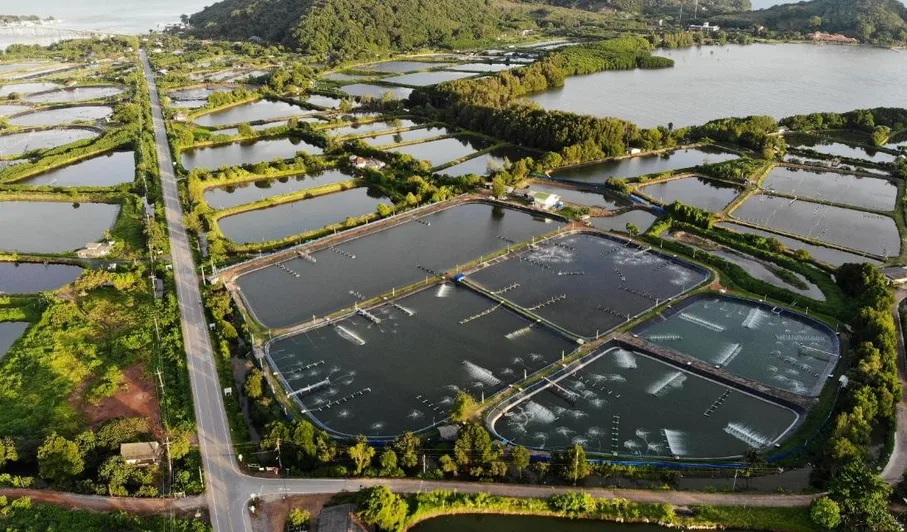
Adaptation and resilience is not only about managing climate risk. Investment can help reduce financial losses and asset vulnerability, protect and enhance revenues, avoid costs, strengthen productivity and supply chains, and open new market opportunities.
GARF 2.0 is designed to help financial institutions connect these potential benefits with investment decision-making and understand how resilience can support long-term financial value.
Who is the Guide for?
GARF 2.0 is designed primarily for:
- Commercial banks
- Development finance institutions
- Corporate and investment banks
- Asset managers
- Corporates and SMEs
- Investors
- Insurers and other financial intermediaries
The framework can support transaction screening, investment decision-making, portfolio management, monitoring and reporting across different financing structures.
While it places particular emphasis on emerging markets and developing economies, where adaptation needs and financing gaps are often greatest, the framework is designed for application across different markets, sectors and financial systems.
Developed with the market
Built with industry collaboration
GARF 2.0 builds on the first Guide developed by Standard Chartered and KPMG alongside the UN Office for Disaster Risk Reduction and more than 20 leading institutions.

Designed to reflect evolving market practice
The updated Guide reflects learning from practical application and evolving market practice, and is intended to remain a living, market-led tool as approaches to climate data, risk modelling, regulation and adaptation finance continue to develop.
Adaptation and resilience finance in action
GARF 2.0 is designed to support real-world financing decisions. Explore case studies from Standard Chartered, Jinko Solar and COFCO to see how adaptation and resilience finance can be applied in practice across different sectors and markets.

Jinko Solar
Facilitating the delivery of storm and extreme weather-resilient solar modules to solar photovoltaic (PV) farms.

COFCO International
A revolving credit facility developed around social and resilience key performance indicators.
Explore the resources
Discover GARF 2.0
Get the updated Guide for Adaptation and Resilience Finance.
GARF 2.0 Detailed Assessment Criteria
An expanded version of Table 3 in the Guide, with additional information on classification, de-risking, profitability, financial return routes and evidence requirements.
The KPMG trademarks are the sole property of KPMG International Cooperative. The authors of this document agree that neither author’s participation in, or contribution to this document will be construed as an endorsement, sponsorship or implied backing of the other author’s products and or service offerings or that of its Group or Network (as applicable).