-

Capital Structuring & Rating Advisory
CSRA annual insights 2026
2026 Capital Allocation playbook: From caution to deployment.

After several years where many corporates prioritised caution, resilience and optionality, 2026 is shaping up as the year to move from caution to deployment. Not indiscriminately, but selectively, and with clear financial policy guardrails.
Our 2026 analysis draws on feedback from 1,080 companies across 19 corporate sectors to identify key themes that will help shape strategies for the year. We summarise the top-line findings below, with more detailed analysis and sector-level insights available in the full report (available for download).
The macro setting: stable, albeit fragile
2026 feels like an uneasy calm. Growth is expected to hold up, but risks remain elevated amid trade policy uncertainty, geopolitical flashpoints and the potential for financial market corrections.
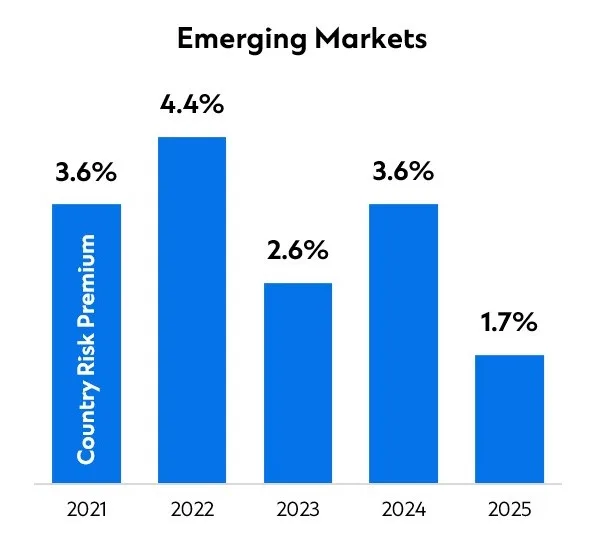
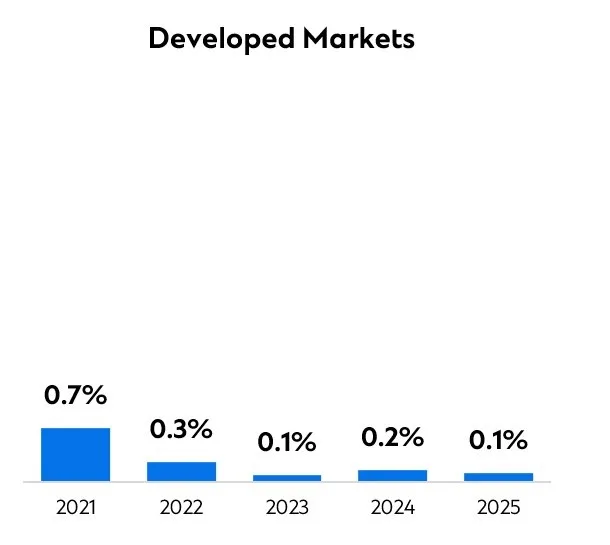
Through a corporate lens, the message is similar. The backdrop is more stable, but fragile. Policy support is subsiding, country risk has improved across regions, and planning visibility is arguably better.
But the range of outcomes remains wide, so discipline matters.
The corporate agenda is pivoting
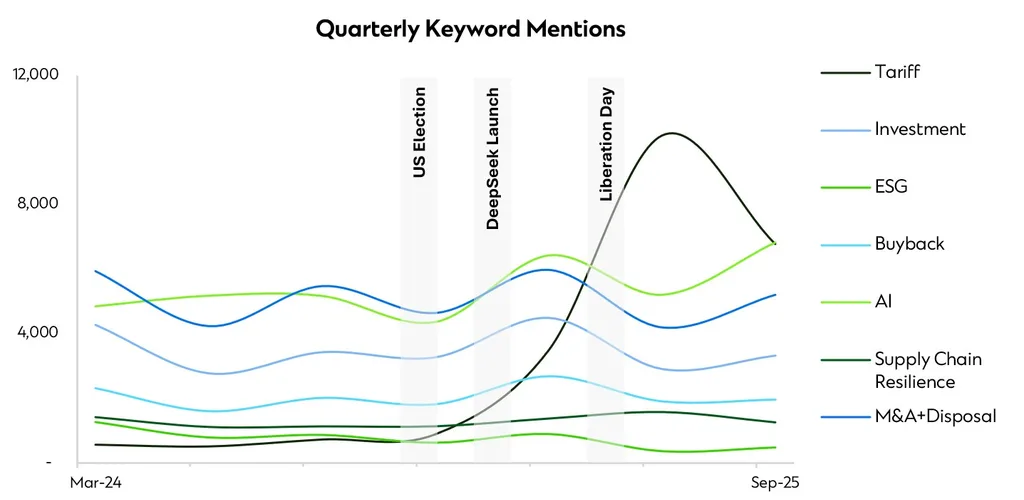
Tariffs remain top of mind in corporate disclosures, but the centre of gravity is shifting. We are seeing a clearer pivot toward capital allocation actions, notably M&A, disposals and investment.
AI continues to gain momentum, and importantly, the capital allocation conversation is becoming more explicit and more measurable in how companies talk about priorities, thresholds and trade-offs.
In practice, boards increasingly want a policy framework that links strategy to investment thresholds, leverage targets, liquidity buffers and rating considerations. The objective is not just to invest, but to invest without undermining resilience.
Balance sheets are robust, and liquidity is ineffectively high
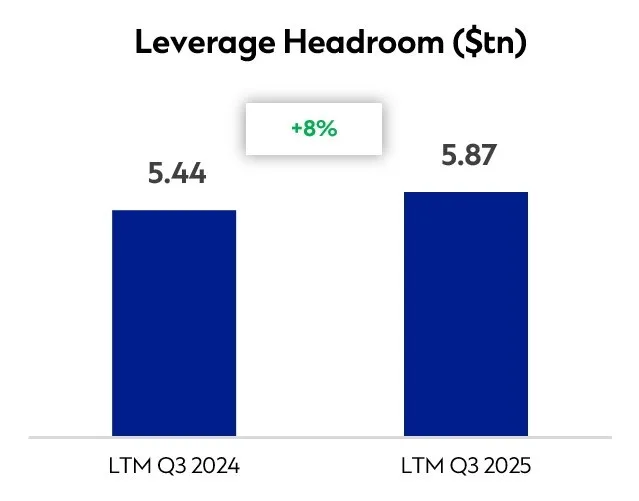
Across sectors, balance sheets remain robust. Leverage capacity is broadly stable to modestly improved, and many corporates retain meaningful headroom.
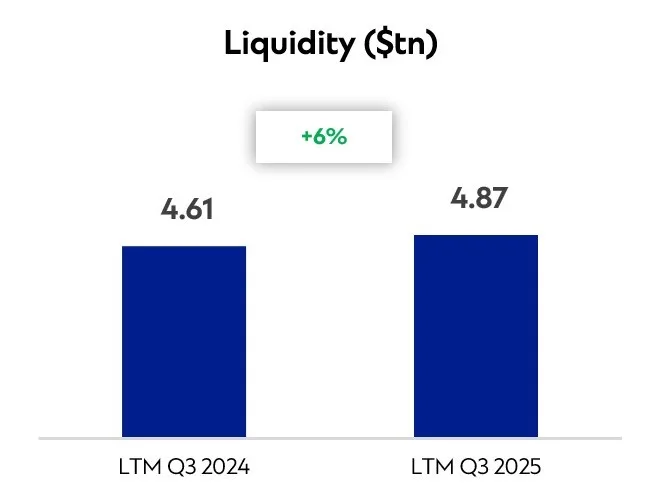
At the same time, liquidity buffers remain elevated. That provides shock absorption, but it also signals that cash is not always deployed (or structured) efficiently.
For many boards, the question in 2026 is shifting from “can we invest” to “what should we invest in first”, and how do we fund it without eroding resilience or ratings and credit headroom.
The investment reboot is incomplete, and shareholder returns still dominate
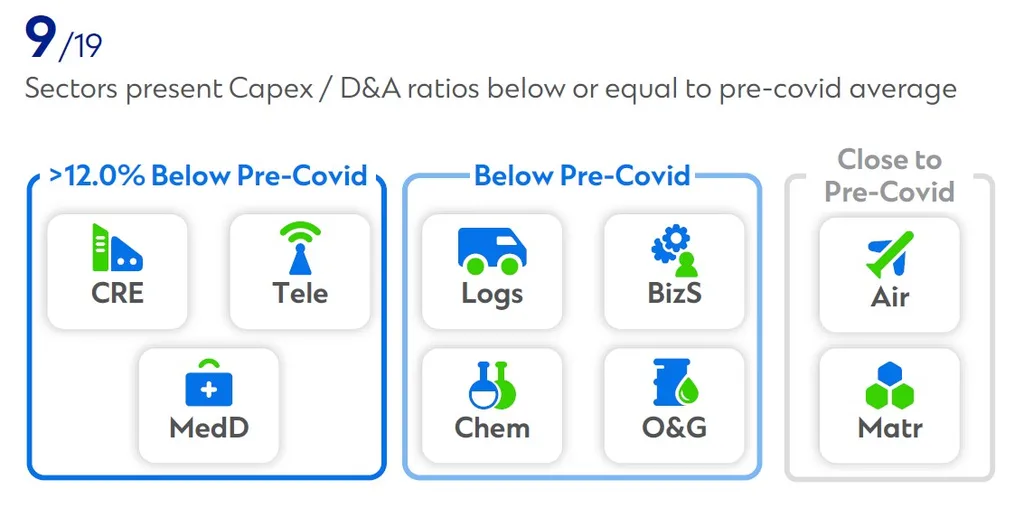
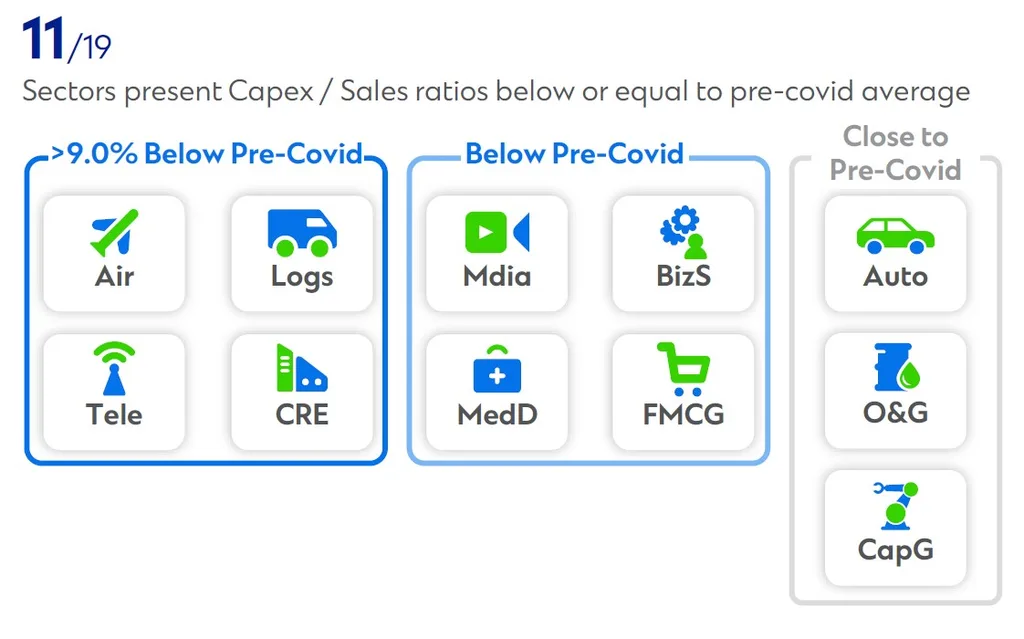
A central theme in our 2026 analysis is that the capex reset remains incomplete. Some sectors have had several years of underinvestment, and many still have not returned to pre-COVID capex benchmarks.
Meanwhile, shareholder returns remain strong across most sectors. Share price yields have been elevated, driven largely by buybacks rather than a broad-based recovery in capex.
This combination matters. It suggests many companies have capacity to do more but have so far prioritised distributions or caution. In 2026, that stance becomes harder to sustain as competitive investment pressure continues to build.
Working capital inefficiency grew
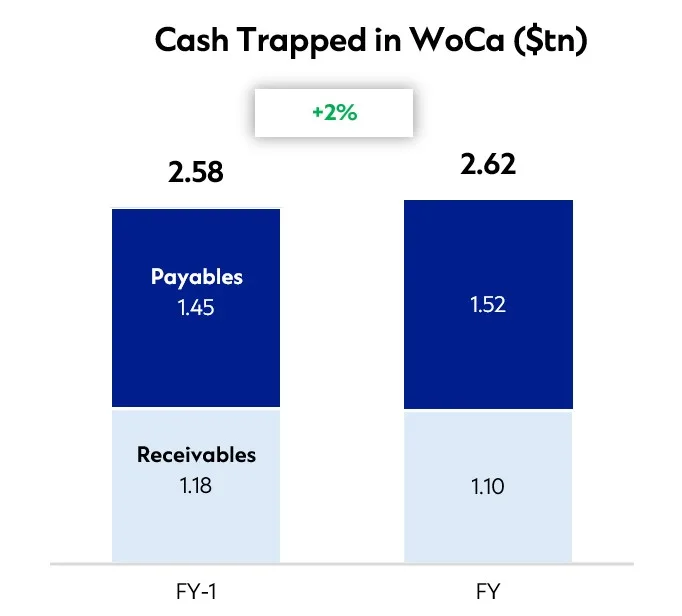
Working capital optimisation remains the cheapest source of funding and one of the easiest levers to enhance ROIC, but inefficiency gaps have worsened for another year for many sectors. We estimate almost USD2.6 trillion tied up across payables and receivables.
Our analysis also suggests that working capital has driven differentiated ROIC outcomes for 12 sectors.
This is often the most underused lever in board level funding discussions, despite being one of the cleanest ways to self-fund investment while keeping leverage and liquidity guardrails in check.
Thematic focus: China profitability, AI diffusion and grid constraints
Three broader themes stand out:
China and its outbound momentum
Chinese corporates’ outbound momentum has translated into improved profitability across many sectors, and in some cases led to outperformance over global peers despite ongoing structural and geopolitical challenges.
AI adoption is broadening beyond tech
Demand is extending into sectors outside the traditional tech, changing capex requirements, operating models and competitive dynamics across a wider range of industries.
Data centres are creating real infrastructure constraints
Rapid data centre development is creating substantial financing needs and increasing pressure on power grids as well as infrastructure. These constraints can affect project timelines, cost of capital and execution risk.
What this means for capital allocation in 2026
Putting the pieces together, 2026 is a year where corporates can responsibly become more assertive, if they do it with structure.
- Be selective. Prioritise investments that protect competitiveness
- Sequence sources of funding. Do not ignore working capital and portfolio actions.
- Rethink policy. Recalibrate leverage, liquidity and credit guardrails
- Manage risk as you invest. Include rate, FX, earnings, refinancing and ratings sensitivities in the plan
How we can help
Standard Chartered’s Capital Structure & Rating Advisory (CSRA) team provides strategic financial policy advisory, enabling clarity in capital structure decisions with corporate finance insight and deep sector expertise.
We advise across the full spectrum of financial strategy, from capital allocation and rating narratives to liquidity optimisation, transformative events, and evolving governance or regulatory frameworks. We combine local insight with cross market perspectives to enable tactical decision making.
*View the definitions, assumptions and methodologies used in this report.