-

Global Private Bank
Philanthropy in Conversation
Six questions to shape your giving. Get your copy of the series addressing UHNW families’ top questions.


Philanthropy has always been a deeply personal journey for many entrepreneurial families and capital stewards, driven by a conviction to leave a meaningful, lasting impact on the world.
While there is no single framework for approaching philanthropy, many share common concerns stemming from a desire to be more intentional in their giving. Discover a series of insights designed to help you find clarity in shaping a philanthropic journey that reflects your values, aspirations and legacy.
This series explores six commonly asked questions we hear from ultra-high-net-worth families
When should I begin?
The right time to begin giving is rarely defined by a balance sheet threshold and is almost always accelerated by a “trigger” moment. This article covers:
- Two categories of “trigger” moments: wealth-creation events and life events
- Insights from Asian wealth creators who embedded philanthropy into pivotal business moments
- Real case studies of families who have integrated philanthropy into personal occasions
Who this article is for: Families evaluating when to transition towards intentional giving, and the advisors who work with them.
Which vehicle should I choose?
Choosing a philanthropic structure can feel complex. This article offers a practical, proportionate approach to help you decide, including:
- A comparison of four philanthropic vehicles (direct giving, donor-advised funds, trusts and foundations) and the trade-offs that matter
- Five key questions to guide your choice, along with common mistakes families make when selecting a structure, and how to avoid over- or under-building
- How philanthropic vehicles can evolve over time and when it can make sense to combine more than one
Who this article is for: Families choosing or reconsidering their philanthropic structure.
How can my family make decisions together?
Philanthropic governance enables families to make decisions together before the stakes get higher in succession or estate planning. This article covers:
- A practical framework to size governance by operational complexity and desired level of family engagement
- Three common models such as founder-led, family partnership and professionalised board, and how families typically evolve between them
- Key board design considerations, including composition, decision authority and operating elements such as meetings, committees and staff roles
- A progression pathway for building next-generation capability, such as moving from observer to leader over time
Who this article is for: Families building or refining how they make philanthropic decisions together.
Should I involve my single family office (SFO)?
Some families look to their SFO to take on philanthropy governance. This article explores when, and how, that can make sense both operationally and strategically. This article covers:
- The trade-offs between SFO-led, embedded, hybrid and externally-led approaches to philanthropy
- Four philanthropy operating models and the trade-offs in efficiency, engagement and control
- Asia-specific considerations and how family offices can combine investment expertise with impact capabilities to lead in sustainable and blended finance
Who this article is for: Families who are considering whether, and how, their SFO should support the family’s giving.
How do I give across borders?
In Asia, the same cross-border donation can take two days — or two years — depending on which borders you are crossing. This article explores the practical realities of giving across jurisdictions, including:
- How cross-border giving in Asia is fragmented with different rules across Hong Kong, Singapore, Mainland China and some Southeast Asia jurisdictions, and why what works in one market may not work in another
- Why timelines and feasibility vary by market, and the practical structuring options families can consider for cross-border giving
Who this article is for: Families whose philanthropy spans multiple Asian jurisdictions.
How can I measure impact?
Impact measurement can feel complex. This article offers a practical and proportionate approach for families seeking to understand and strengthen the impact of their giving, by covering:
- The main impact measurement frameworks and when each may be most appropriate
- Proportionate measurement options that improve learning without overburdening grantees
- Portfolio and time-horizon considerations, including when it may make sense to fund capacity and take calculated risks to amplify impact
Who this article is for: Families seeking rigorous impact measurement while keeping reporting light for grantees.
Different families, different markets and different ambitions. Yet one thing continues to surprise me: how similar the core questions around philanthropy are.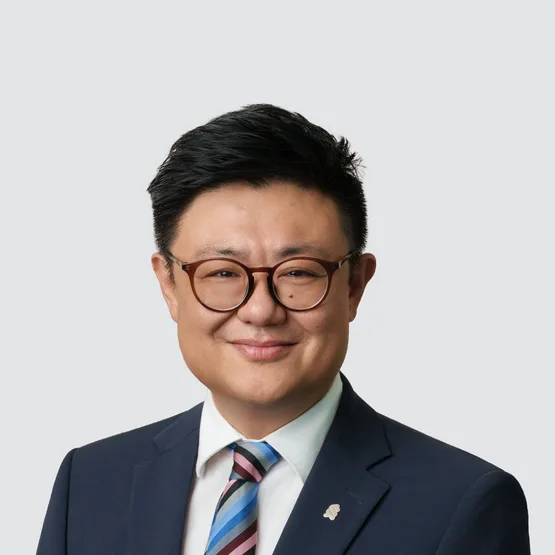 Scott ChangHead of Philanthropy, Asia | Standard Chartered Global Private Bank