



Table of Contents
In a rush? Read this summary:
- The UAE has positioned itself as a global hub for green bonds with the Central Bank and other regulatory bodies actively implementing initiatives to advance the sector.
- The UAE has positioned itself as a global hub for green bonds with the Central Bank and other regulatory bodies actively implementing initiatives to advance the sector.
- The UAE has positioned itself as a global hub for green bonds with the Central Bank and other regulatory bodies actively implementing initiatives to advance the sector.
The UAE has solidified its position as a leader in the green finance landscape , demonstrating remarkable growth. Green bonds are financial instruments that support . These tradable financial instruments are used to finance or refinance green projects, including energy efficiency, renewable energy, biodiversity conservation, pollution control, and sustainable management of natural resources that create positive environmental impacts.
By investing in these bonds, investors who are concerned about Environmental, Social, and Governance (ESG) issues can become active players in these environmentally friendly initiatives and achieve their financial goals at the same time.
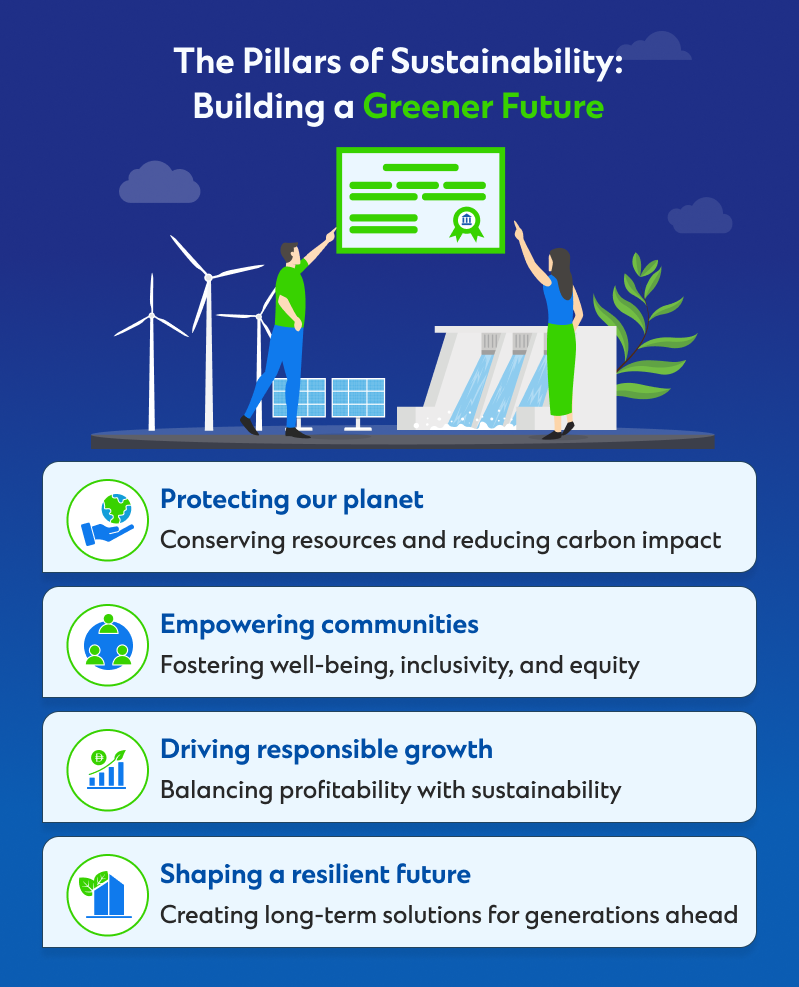
UAE’s commitment to sustainable green finance
The Central Bank of the UAE (CBUAE) have been implementing a wide range of initiatives to advance sustainable finance and effectively address climate-related financial risks, which has helped the UAE financial sector emerge as a global leader in green finance.
At COP28 (the United Nations Climate Change Conference) Finance Day, the UAE banking sector targeted mobilising AED 1 trillion (USD 272 billion) in sustainable finance by 2030. At the same time, CBUAE has released climate-related financial risk principles and sustainability-related disclosure principles in collaboration with the UAE Sustainable Finance Working Group.
Additionally, Abu Dhabi Global Market (ADGM) rolled out a comprehensive sustainable finance regulatory framework for bonds, sukuk portfolios, and funds, positioning itself as a regional hub.
The regulatory framework for green bonds
The UAE Securities and Commodities Authority (SCA) has established the regulatory framework defined for green bonds, sustainability-linked bonds, and sukuk (also known as Islamic bonds).
- The green bond proceeds should be allocated entirely to environmentally friendly projects.
- Projects financed by green bonds should clearly communicate their environmental sustainability objectives. Additionally, these projects must adopt different methods to reduce material risks and verify compliance aligned with the International Capital Market Association (ICMA) principles.
- Green bond issuers must manage the proceeds in the subaccount and separate them from other funds. The remaining balance of unallocated proceeds is also disclosed to investors.
- The issuers must disclose the use of the proceeds in regular reports. Along with that, they have to disclose their environmental impact. The semiannual reports to the SCA are also included in this.
- SCA has extended fee exemptions for businesses listing green and sustainability-linked bonds to encourage the issuance of these investment vehicles. It includes an exemption in registration fees, which is calculated at the rate of 0.01% of the cost of the issue and goes up to a maximum of AED 30,000. Although this exemption was available throughout 2024, SCA has yet to confirm its extension for the year 2025.
Green investment opportunities for businesses
Green bonds offer companies more than just easy access to finance; they also serve as a public declaration of the business’s commitment to sustainability. By issuing green bonds, companies gain access to investors focused on sustainability, as firms with strong sustainability credentials are gaining growing recognition among global investors. They strengthen the reputation of the organisation and make it appealing to various stakeholders and align it with regulatory requirements in different jurisdictions.
The UAE secured the top position in the regional green bond market in 2023 with sales reaching USD 10.7 billion, representing 45% of the total Middle East and North Africa (MENA) issuance. A significant number of debut issuances from different entities were also seen in this year, including the Sharjah government, Mubadala, and others. On the other hand, in the MENA region, green issuance was approximately USD 6.5 billion, which represents over half of the global green sukuk.
Driving a sustainable future with green bonds
Green and sustainability-linked bonds are pivotal in driving sustainable development and environmental conservation. UAE has become a leader because of its regulatory framework and incentives related to the green bond market, fostering a potent environment for sustainable investments. Green bonds support a country’s sustainability goals while boosting its global market competitiveness.
As green investment opportunities continue to grow, staying abreast of market and regulatory developments is crucial for businesses. By adhering to the principles of sustainable green finance and complying with regulations, companies can contribute to a more sustainable, greener future for the region.
Speak to Standard Chartered’s relationship managers or contact us to learn more about the sustainable investment options available in the UAE.