-
Corporate & Investment Banking
Egypt market profile
Strategic opportunities at the crossroads of Europe, Asia and Africa.

Key takeaways
Egypt at a glance
Egypt’s strategic location at the crossroads of Africa, Europe and Asia offers businesses access to diverse regional and global markets, reinforcing its role as a strategic gateway for international trade and investment.
With a diversified economy, expanding manufacturing base and an ambitious Vision 2030 agenda, the country is strengthening its position as a regional platform for trade, production and capital flows.
Investment drivers
- Pivotal location linking key global markets
- Strong focus on industrial development and exports
- Continued efforts to attract foreign direct investments
- Accelerating digital and financial sector transformation
Sectors to watch
Renewable energy, manufacturing, fintech, tourism, and agriculture
Key corridor markets
Japan, the European Union, and the United States
Banking implications
Growing demand for trade finance, working capital, treasury, foreign exchange and cross-border banking solutions
Standard Chartered will play an effective role in supporting the Egyptian economy, linking investment between Asia, the Gulf region and Egypt.Mohamed MaaitFormer Egyptian Finance Minister
Egypt by the numbers

USD15 billion
Foreign direct investment (FDI) in 2025

USD18 billion
Total investments in the Suez Canal Economic Zone

24.6 per cent
The European Union’s share of Egypt’s total trade
Why Egypt, why now
Strategic location
Positioned at the crossroads of Africa, Europe and Asia, Egypt offers investors access to major trade routes, regional markets and cross-border growth opportunities from a single location. Egypt’s Special Economic Zones, particularly the Suez Canal Economic Zone, further reinforce its position as a regional manufacturing and industrial hub.
Vision 2030
Vision 2030 serves as a blueprint to enhance competitiveness, attract investment and accelerate the modernisation of Egypt’s economy and financial sector.
Export and manufacturing ambitions
Egypt is targeting exports of USD145 billion by 2030 as part of its strategy to strengthen industrial development and economic resilience.
Industries including textiles, chemicals, machinery and food products are expected to play an increasingly important role in driving exports, attracting investments and strengthening regional trade flows.
Egypt is well positioned to strengthen its role as a hub for investment, trade and manufacturing. As global capital and trade flows evolve, our priority is to connect Egyptian companies to international opportunities while helping global investors access the growth potential of Egypt. Mohamed GadCEO, Standard Chartered Egypt
Standard Chartered’s edge in Egypt
Our full banking license enables us to deliver banking services to sovereign and government entities, large corporates, financial institutions and multinational companies operating within the country.

Supported by the broadest branch network of any international bank across the Middle East

Fully integrated electronic foreign exchange (FX) capabilities

Full suite of ‘documentary’ and ‘open account’ trade finance solutions

Best Renminbi Bank in Egypt 2025 at The Asset Triple A Treasurise Awards 2026
In 2025, we strengthened our Corporate & Investment Banking offering in Egypt with the launch of our custody services, expanding our on-ground capabilities to support institutional clients.
Standard Chartered Egypt is committed to supporting entrepreneurship and SME growth, including through programmes such as the Women in Tech Accelerator, which helps women-led businesses access networks, mentorship and opportunities to scale and participate more fully in the digital economy.
Trends transforming Egypt’s banking landscape
Rising foreign investment and industrial expansion
- Egypt maintained its position as Africa’s largest recipient of FDI in 2025, attracting inflows of USD15 billion.
- Investment continues to flow into infrastructure, energy and utilities, financial services and logistics, supported by Egypt’s economic reforms, strategic location and expanding regional trade links.
- As international investors establish operations and expand supply chains in Egypt, demand continues to growth for cross-border financing, trade solutions, treasury management and foreign exchange capabilities that support business growth and regional expansion.
Source: 2026 World Investment Report
Fintech growth
- Establishing and strengthening its position as one of Africa’s leading fintech ecosystems, driven by continued growth in digital payments, innovation and financial technology adoption.
- As of 2025, the fintech sector is dominated by three sub-sectors: payments and remittance (36 per cent), lending and financing (11 per cent), and B2B marketplace (10 per cent).
Source: OECD
Cross-border transaction capabilities
- Egypt joined the Pan-African Payment and Settlement System (PAPSS) in 2024. Developed by the African Export-Import Bank (Afreximbank), the platform facilitates cross-border payments and trade transactions while reducing costs and processing time.
- In June 2026, the Central Bank of Egypt (CBE) upgraded the country’s banking infrastructure by adopting the international ISO 20022 financial messaging standard for interbank transfers. This move aims to improve cross-border payments and further align Egypt’s financial system with global banking practices.
Corridor opportunities
Egypt’s critical location and growing trade links are creating opportunities across key international corridors. Through our global network and on-the-ground corridor expertise, we help clients navigate cross-border trade, investment and treasury requirements across origin and destination markets.

Egypt – Japan
Manufacturing and trade

Egypt – EU
Trade, agriculture and renewable energy

Egypt – US
Energy, infrastructure, manufacturing and supply chain
Sector opportunities
Manufacturing and industrialisation
- Total trade reached USD131.5 billion in 2025, with exports increasing 17 per cent year-on-year, reinforcing Egypt’s role as a regional trade and manufacturing hub.
- Egypt aims to increase exports to USD145 billion in exports by 2030 through investment-led export expansion, with chemicals, textiles and food products among the sectors expected to benefit most.
- Corporates can take advantage of digital transformation and smart manufacturing solutions, reduced costs, expedited market access, and trade agreements that provide entry to numerous international markets.
Renewable energy and green hydrogen
- Egypt has the sixth-largest oil reserves in Africa and is self-sufficient in traditional power generation. It boasts a world-class oil refining infrastructure that processes 38 million tons annually.
- The country is set to expand its renewable capacity to 45,000 megawatts from projects under construction in the coming years and aims to attract at least USD10 billion in investments for renewable energy projects by 2028.
- Policy reforms have opened Egypt’s energy market to private sector participation and reduced electricity subsidies, helping accelerate investments in solar and wind energy.
- Free zones and investment zones offer tax and customs incentives, simplified procedures and integrated infrastructure for energy and industrial investors.
Financial services and fintech
- Egypt’s fintech market ranks among the largest innovation hubs in Africa, valued at approximately USD765 million and projected to grow to USD2.9 billion by 2033.
- The sector is characterised by a dynamic mix of regional and international players, with major domestic banks partnering actively partnering with fintech companies through new ventures, acquisitions and strategic investments.
- Cross-border payments are expanding as a result of improved transparency, increased collaboration and broader market reach. Global businesses are turning to their fintech partners, regulators and development institutions as partnership models increasingly prove more effective than competition-driven approaches.
Tourism
- Tourism is a fundamental pillar of the Egyptian national economy, serving as a critical driver of FX earnings and inclusive economic growth. It is a major source of foreign investments, which contributes to achieving balanced growth of the country’s economic structure.
- In 2025, Egypt recorded nearly 19 million tourist arrivals, a 21 per cent increase from 2024. Tourism added around USD31 billion to the country’s GDP, accounting for 3.7 per cent of GDP in fiscal 2024/25, the highest level this decade, up from 3.4 per cent a year earlier.
- Egypt tourism sector continues to create investment opportunities, supported by a favourable business environment, ongoing infrastructure development and government initiatives that support the sector’s long-term growth.
Source: Statista
Agriculture
- Egyptian agricultural exports have already exceeded 5.8 million tons as of July 2026, as compared to 9.5 million tons in 2025, 8.6 million tons in 2024, and 7.4 million tons in 2023.
- This reflects the growing global demand for Egyptian agriculture produce, demonstrating the success of Egypt’s efforts to develop the sector’s international competitiveness.
Source: Arab News
Products and services
We offer a comprehensive suite of Corporate & Investment Banking (CIB) solutions, while serving as a convenient North African hub for our multinational and large corporate clients.

Cash management
- Accounts services
- Collections
- Liquidity management
- Payments
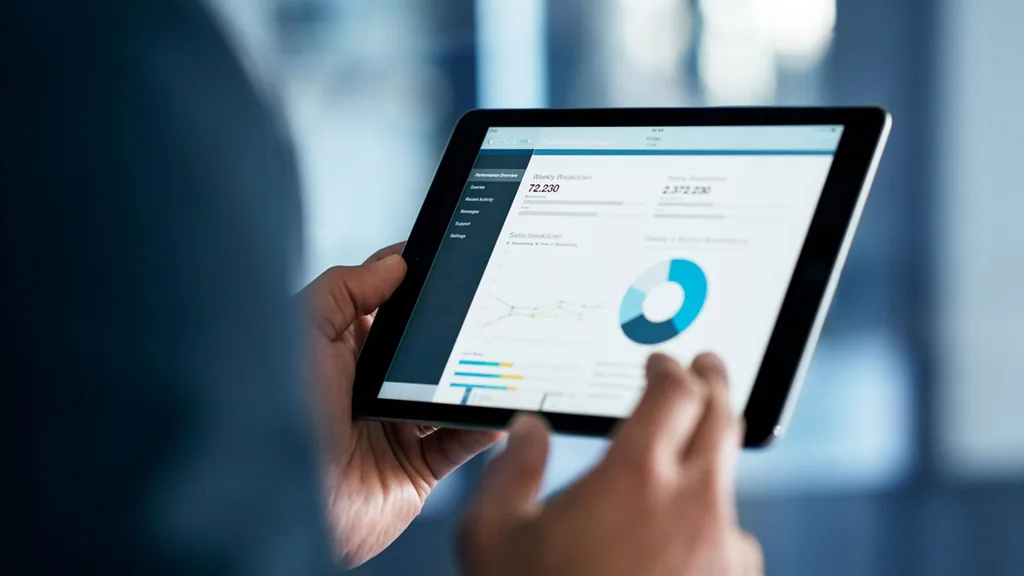
Digital/mobile banking
- Host-to-Host
- Straight2Bank

Trade services
- Documentary trade
- Guarantees
- Receivables services
- Supply chain finance
- Trade loans
Related insights
The missing piece of the puzzle the story of our Egypt offic…
In January, we opened our first fully fledged branch in Egypt. The team …
Why the Gulf remains a global investment hub
Roberto Hoornweg shares his thoughts on why Dubai and the Gulf remain im…
Which new industries are driving China-Middle East trade?
Our new Corridors in Focus series examines trade along high-priority cor…