The power of starting early: Steve Brice on Drive Further
We sat down with our Global CIO, Steve Brice, to discuss Drive Further, his involvement in shaping the programme and working directly with F1 ACADEMY™ drivers.

You’ve been a supporter of Drive Further from the beginning. What drew you to this initiative and made you want to get involved?
I’m passionate about helping young people understand the basics of personal finance, from budgeting and saving to investing, from an early age. It’s rarely something we learn at school, yet the knowledge and habits we build when we’re young can make a real difference later in life.
Money can still be a taboo subject, and our attitudes towards it are often shaped by those around us. Giving young people simple, practical knowledge early can help them make more informed decisions, build good financial habits and develop confidence over time.
Working with F1 ACADEMY™ and the drivers has been a fantastic opportunity to put that into practice. They’re an incredibly focused, intelligent and close-knit group, with huge potential. That trust created an openness in the sessions, allowing us to have really honest conversations and tackle the questions that mattered to them.
The knowledge and habits we build when we’re young can make a real difference later in life.
Why is financial education such an important part of supporting young drivers as they navigate their journey?
The drivers already face enormous demands in their careers, and I wanted them to understand that their finances don’t need to be complicated too. There can be a perception that managing your finances takes a lot of time and expertise, but you don’t need to be an expert to budget, save and invest in a way that works for you.
One of the most important things to understand early is that your financial needs and priorities will change at different stages of life. Having the right tools and habits can help you navigate those changes and work towards your goals. Starting early gives the drivers time to learn through experience, build confidence and develop habits that can support them over the longer term.
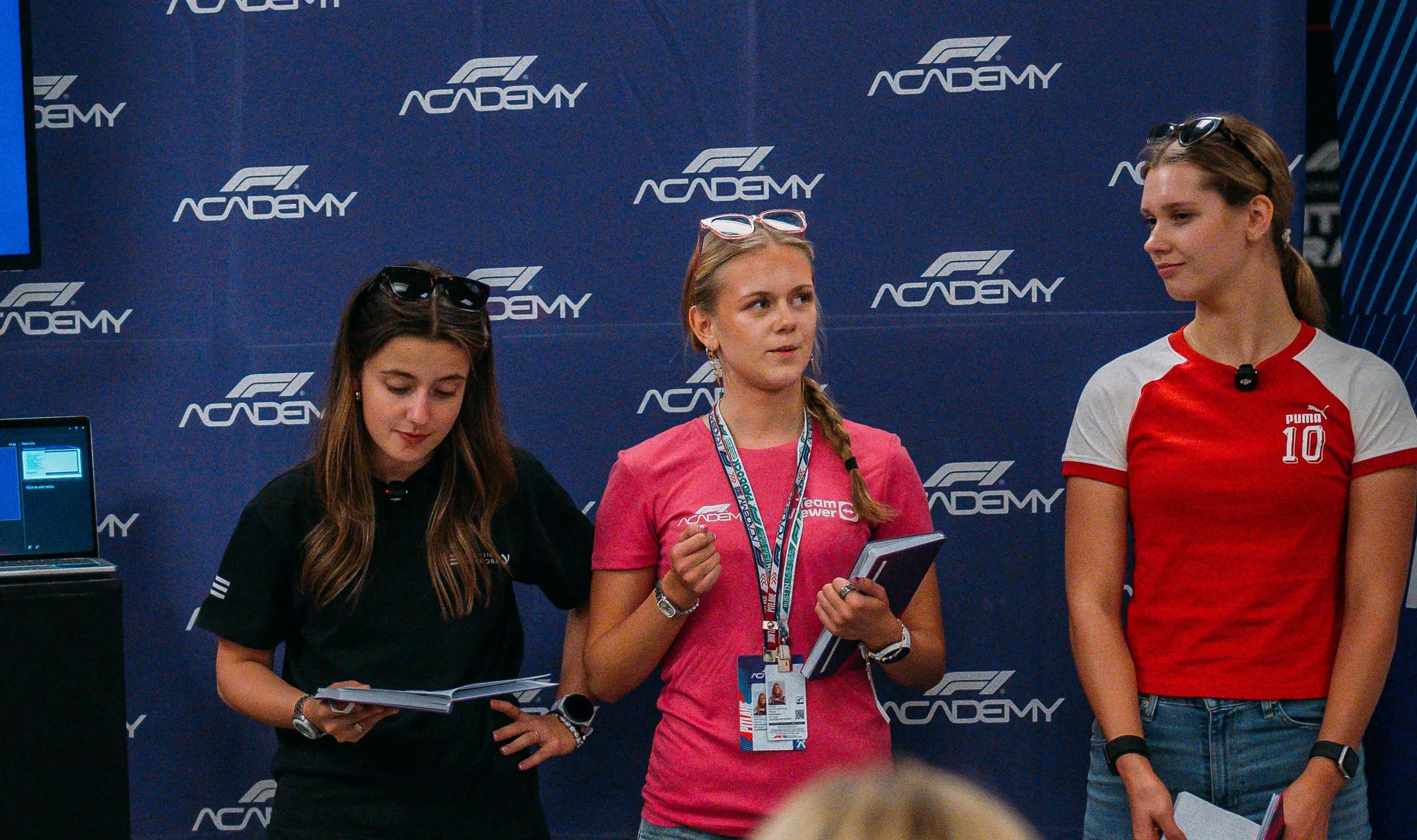
When it came to financial topics such as saving and investing, how did you make the sessions relevant and useful for the drivers?
Naturally, time with the drivers is limited. The drivers are busy and are joining from different parts of the world, with some dialling in at unearthly times of the day. We have covered a range of topics from budgeting and saving, to managing debt and beginning to invest, combining the theory with practical ways to put it into practice.
We looked at examples of how to allocate income, balance needs and wants as priorities change, and build a savings safety net. Having that foundation early can give the drivers greater confidence and, over time, put them in a stronger position to start investing.
We explored our Wealth Select framework, covering the Purpose, Principles and Process of managing wealth, before moving onto one of the most important concepts for young investors: compounding.
The idea is simple: returns have the potential to generate further returns, allowing growth to build over time. For the drivers, that’s particularly relevant. They’re young, so time is one of the biggest advantages they have. We wanted them not only to understand how wealth can build over the long term but how to respond when things don’t go to plan, much like in racing.
You can tell when something has moved from being theoretical to something they think about in the context of their own lives.
Having been part of every session so far, what has stood out to you about how the drivers have engaged with the programme?
What has stood out to me is the questions the drivers ask. You can tell when something has moved from being theoretical to something they think about in the context of their own lives.
That reinforces the importance of making financial education practical and accessible. It is not about turning them into experts but giving them enough knowledge and confidence to ask the right questions and make decisions that work for them.
What has Drive Further shown you about the value of building financial knowledge and confidence early, particularly when it comes to managing and growing wealth over the long term?
There is often a mix of excitement and trepidation when it comes to investing. The opportunities are clear, particularly when you are young and have a long time to build wealth. However, it is easy to find yourself in the weeds of how to get started – individual stocks, funds or ETFs. This is often when the investment journey gets derailed.
My approach is ‘first do no harm’, particularly for those who do not have a natural interest in finance. A bad early experience can easily put young people off. I would start with a simple, diversified foundation portfolio across stocks and bonds and just keep adding to that on a regular basis. Once you have that foundation and become more comfortable with saving and investing, you can start to explore other opportunities if you want to.
As Drive Further develops, what would you like to see the programme build on next?
The sessions have focused on giving the drivers a strong foundation to manage their finances. We will build on this moving forward by hearing directly from the drivers about their experience of the Drive Further initiative so far, what they found most useful, what they have put into practice and where and how they would like more support.
That feedback will help us make the programme even more useful for the next generation of drivers and allow us to deliver it in a way that resonates with them.