-
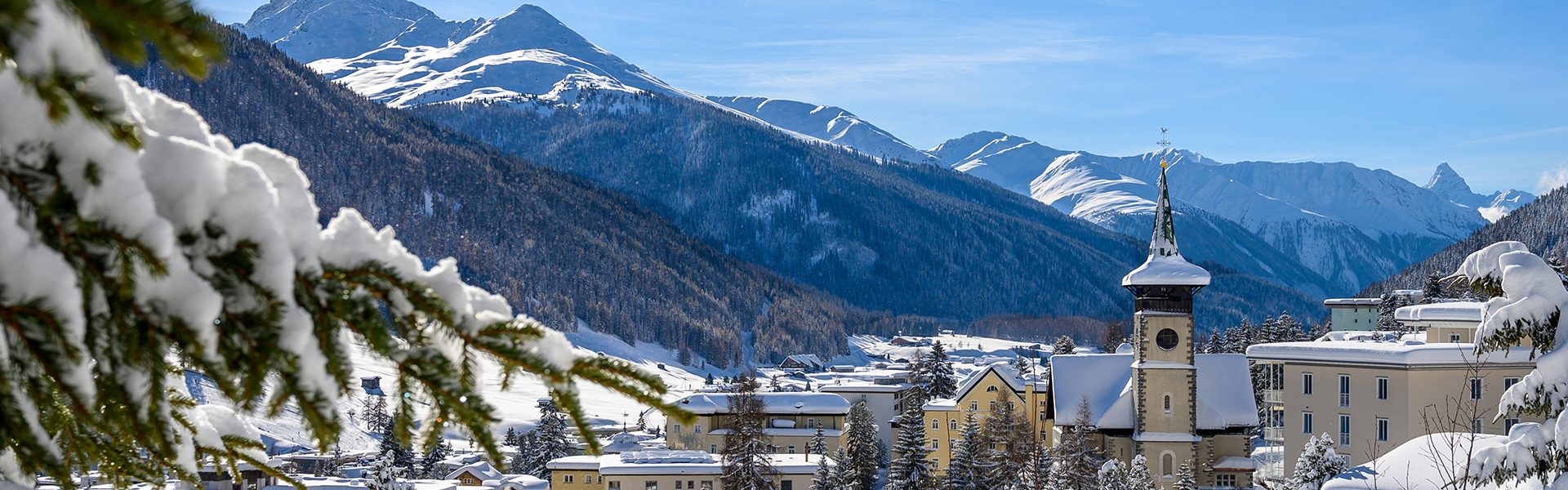
Davos 2026
Learn about our presence at this year’s World Economic Forum Annual Meeting.

Practical information
Where:
When:
Davos-Klosters, Switzerland
19-23 January
The World Economic Forum (WEF) returned to Davos for its Annual Meeting from 19 to 23 January. This year’s theme was ‘A Spirit of Dialogue’.
The event brought together leaders and decision-makers from business, civil society, academia, and the government and public sector to discuss some of the most pressing global challenges for the year ahead.
We were on the ground at Davos to connect with clients and deepen relationships with our partners and stakeholders.
Highlights from our agenda
Digital assets
Our Group Chief Executive Bill Winters co-hosted a panel on how digital assets are reshaping global finance.
AI and workforce transformation
Chief Strategy & Talent Officer Tanuj Kapilashrami hosted a roundtable on AI as a catalyst for reinvention.
Ocean finance
Our CSO Marisa Drew co-hosted an event with the Ocean Risk and Resiliance Action Alliance.
Women in finance
Our CEO, Wealth & Retail Banking, Judy Hsu, joined a community of leaders.
Opportunity in Asia
Our President, International, Ben Hung, shone a spotlight on Asia’s potential to drive global growth.
The next generation
The SC Foundation was at Davos to discuss how corporate philanthropy can transform youth employment.

Watch now
Bill Winters in conversation with Bloomberg at Davos
Our Group Chief Executive Bill Winters joined Bloomberg in Davos to discuss the global macro environment, our role in helping clients navigate geopolitical complexity, and how tokenisation is “rewiring” the banking system.
Our delegates
Bill Winters
Group Chief Executive
Diego De Giorgi
Group Chief Financial Officer
Roberto Hoornweg
CEO, Corporate & Investment Banking
Benjamin Hung
President, International
Judy Hsu
CEO, Wealth & Retail Banking
Tanuj Kapilashrami
Chief Strategy & Talent Officer
Alex Manson
CEO, SC Ventures
Marisa Drew
Chief Sustainability Officer
Our presence at Davos 2026 in numbers
125+
bilateral meetings with clients, partners, and sovereigns
45+
events, including proudly hosting some of our top clients at our reception
20+
speaking engagements
Fostering growth in a complex environment
We connect our clients to a network that offers unique access to sustainable growth opportunities across Asia, Africa and the Middle East. This was reflected in our themes at Davos.
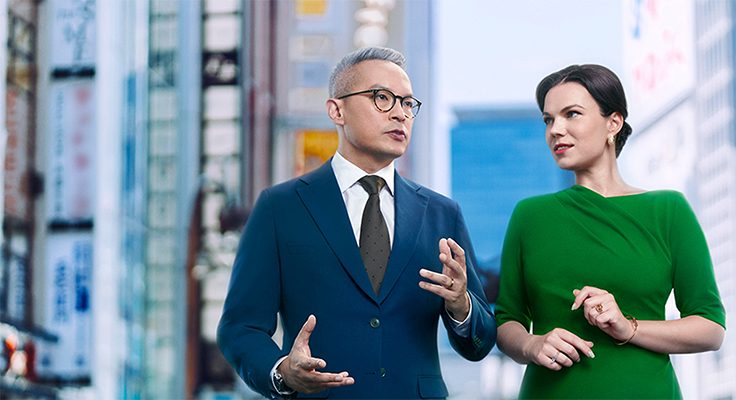
Cross-border growth opportunities
We unlock growth through our unique network, providing access to the world’s most dynamic markets.

Driving technology transformation
By building digital products and services, we’re supporting growth in a hyperconnected world.

How we’re powering the transition
Mobilising capital to support transition finance and help businesses shift to more sustainable outcomes.
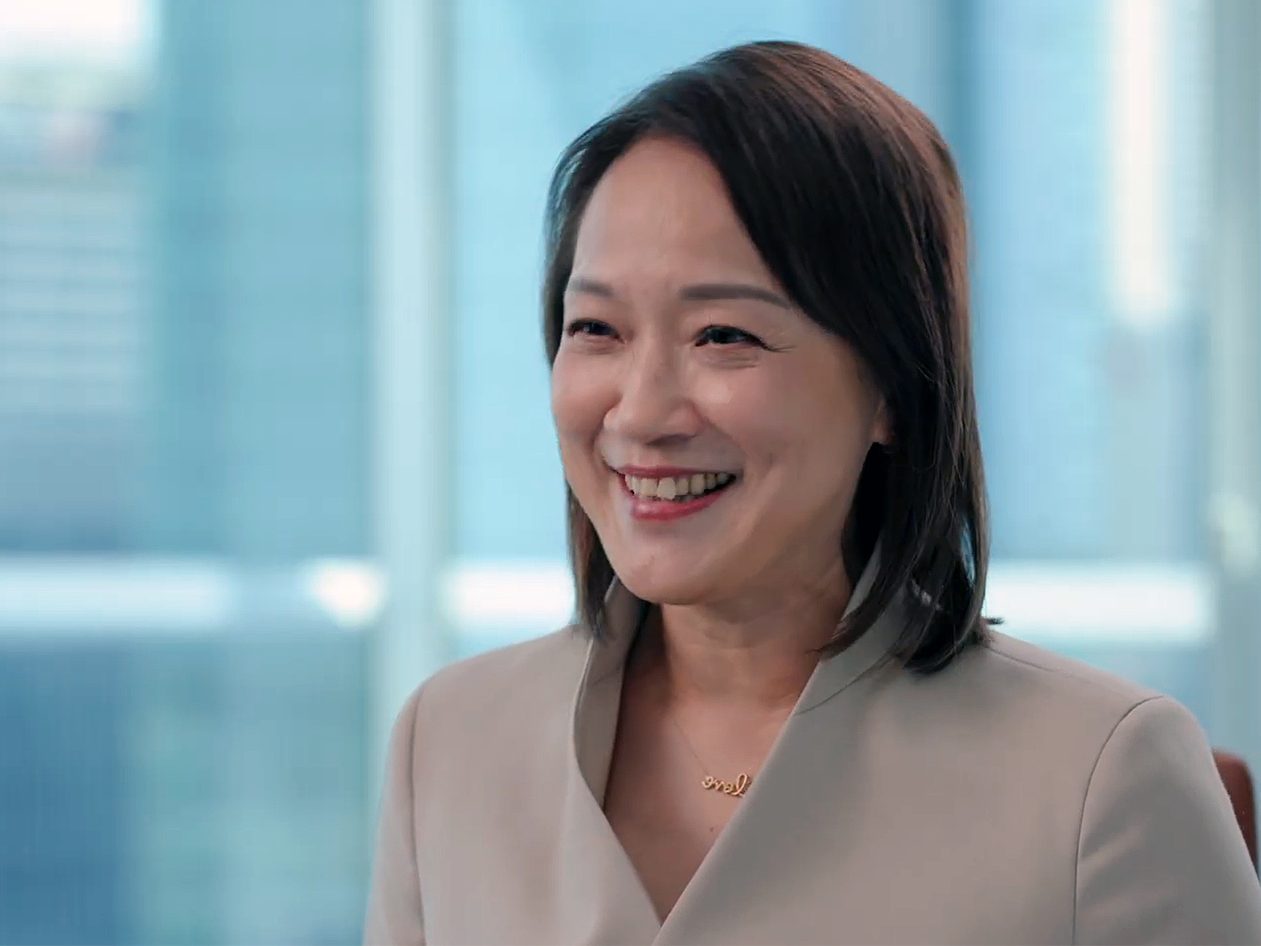
Shifting wealth dynamics in Asia
Hear from Judy Hsu, CEO, Wealth & Retail Banking, on how intergenerational wealth is evolving and what we’re doing to help clients navigate the future.
FAQs
Standard Chartered and the Ocean Risk and Resilience Action Alliance (ORRAA) co-hosted an ocean finance roundtable to mark the High Seas Treaty to protect marine conservation in international waters.
Led by our Chief Sustainability Officer, Marisa Drew, and ORRAA’s Executive Director, Karen Sack, the discussion brought together financial institutions and C-suite leaders to explore how finance can support a more sustainable ocean economy, including mobilising capital for coastal communities and advancing the conversation of marine ecosystems.

Key takeaways from the session included:
• Finance has an important role to play in supporting coastal livelihoods, climate resilience and the transition to a regenerative and sustainable ocean economy.
• Integrating ocean health into financial decision-making, including risk, strategy and board-level oversight, is becoming a priority for long-term value creation.
• Collaboration across financial institutions, insurance, philanthropy and policymakers is essential.
The ocean economy is projected to be worth more than USD3 trillion annually by 2030. At last year’s Davos, Standard Chartered signed the #BackBlue initiative as part of its ambition to support a more sustainable ocean economy and the conservation of marine ecosystems.
Learn more about how we’re helping to transition the blue economy to more sustainable practices.
Our Chief Strategy & Talent Officer Tanuj Kapilashrami hosted a breakfast roundtable at Davos to discuss AI’s role as a catalyst for organisational reinvention.
Rapid technological change and shifts in global talent markets are creating new pressures – and opportunities – for organisations.
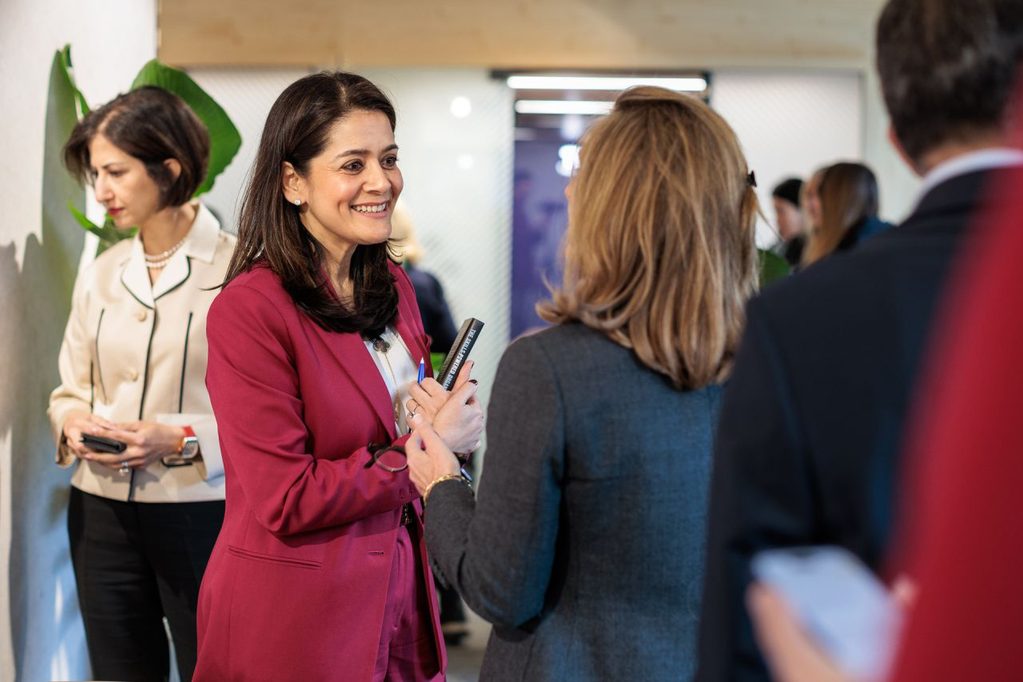
The conversation explored:
• AI’s growing impact on business strategy and transformation.
• How leaders can deploy AI at scale, including the capabilities required to deliver sustainable change.
• The future of work in an AI-augmented world, including evolving skills, leadership expectations, organisational culture, workforce resilience and the crossover between humans and machines.
Read more from Tanuj Kapilashrami on how AI is transforming skills.
Ben Hung, our President, International, joined an FT Live discussion on Asia’s evolving role in global markets.
The conversation focused on the rewiring of the international order and global economy towards a system of multi-alignment, and explored the opportunities and risks posed for businesses in Singapore and other ASEAN markets, as well as in Hong Kong.
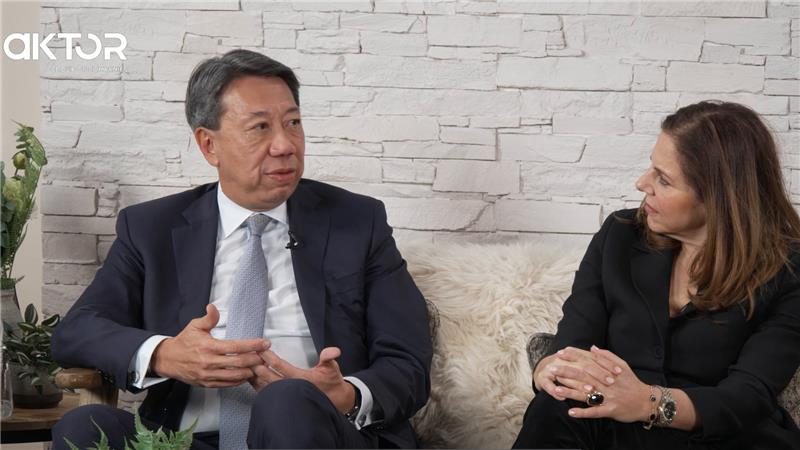
“Corporates and investors are all looking for ways to navigate this new landscape and find opportunities for long-term, structural growth,” said Ben.