Shaping a faster, smarter and more resilient treasury
How are ASEAN treasury leaders harnessing AI, digital assets and connected systems to improve decisions, reduce friction and build more resilient operations?

Across ASEAN, treasury leaders are exploring how AI, digital assets and connected infrastructure can improve decisions, strengthen resilience and remove operational friction.
As Standard Chartered’s Treasury Leadership Forum series concludes across ASEAN, one message stands out: the blueprint for tomorrow is not simply about adopting new technologies. For treasury teams, it is about how new technology can improve day-to-day decisions, reduce manual work and strengthen resilience particularly in the face of developments in AI and digital assets.
AI initiatives go from exploration to intelligent action
The AI discussion is becoming more practical: where can it solve problems treasury teams deal with every day? At the Thailand Forum, 51.6 percent respondents said their organisations were exploring potential AI use cases. Receivables reconciliation and cash application emerged as leading opportunities, alongside cash forecasting and liquidity management.
A further 16.8 per cent said that AI was already in production for selected treasury or finance processes. This suggests that some organisations are already applying AI to labour-intensive areas such as receivables matching, cash forecasting and liquidity analysis. These are also areas where automation can reduce manual work and give treasury teams more timely information for decisions.
Participants also expressed openness to AI-supported recommendations, particularly for receivables matching. However, organisational readiness varies. For example, in a poll conducted at the Philippines Forum, only 4 per cent of respondents described their organisations as AI-enabled and predictive.
Standard Chartered also demonstrated an agentic AI prototype showing how treasury teams could identify optimisation opportunities and initiate actions through a conversational experience. It offered a glimpse of what could become possible while reinforcing the continued importance of human oversight, control and trust.
Building trust and interoperability alongside digital asset innovation
Tokenised deposits, stablecoins and emerging settlement models were featured in discussions on the next chapter of financial infrastructure. Rather than pursuing innovation for its own sake, the focus was on the practical challenges these technologies could help address, including cross-border efficiency, settlement, liquidity and connectivity across financial ecosystems.
Wider adoption will depend on three things: credible use cases, interoperability and greater regulatory clarity. Development remains at an early stage. At the Singapore Forum, regulatory uncertainty was cited by 38 per cent of respondents, cybersecurity and fraud concerns by 30 per cent, and legacy-system integration by 25 per cent as the leading reservations about digital assets and instant payments.
Although some of these concerns may partly reflect Singapore’s importance as a regulatory test bed for tokenisation, the broader message is clear: interoperability, control and regulatory clarity matter as much as the technology itself.
Standard Chartered’s tokenised Singapore dollar and US dollar account-balance solution for Ant International provides one example of a commercial treasury application. The solution was launched to support round-the-clock treasury management and the near-real-time movement of value.
For digital assets to gain wider adoption, solutions will need to work across jurisdictions, currencies and regulatory environments while meeting established governance and security requirements. They must also remain trusted, secure and commercially viable.
Connectivity, visibility and resilience are key priorities for trade
Shifting trade corridors, supply-chain dynamics and working-capital pressures are reshaping corporate priorities. In an Indonesia Forum poll, respondents identified digitalisation and automation, along with better visibility and data analytics, as important to building more resilient supply chains.
These priorities are consistent with findings from Standard Chartered’s Future of Trade report. As organisations navigate an age of structural uncertainty, digitalisation is now critical. Faster digitalisation could help corporate leaders harness cost savings while unlocking new trade opportunities. The report estimates that, by 2031, digital acceleration could add USD2.8 trillion annually to international trade.
The report also found that businesses are focused on making supply chains more resilient with around 60 per cent anticipating neither entering nor exiting markets across sourcing, manufacturing and exporting.
Ambition meets operational reality
Operational efficiencies remain a central challenge for treasurers. At the Philippines Forum, 65 per cent of respondents cited fragmented processes and multiple systems as the biggest obstacles to achieving their treasury objectives.
Seamless integration between treasury systems and banking platforms is critical for improving connectivity and access. For example, Standard Chartered’s Straight2Bank digital platform is designed to integrate with major enterprise resource planning and treasury management systems, supported by a range of application programming interfaces available through its marketplace.
Treasury transformation should not be measured by the speed of technology adoption, but by the better decisions, greater efficiency and stronger resilience that technology enables. Across ASEAN, the opportunity is to turn connected data and trusted innovation into practical business value.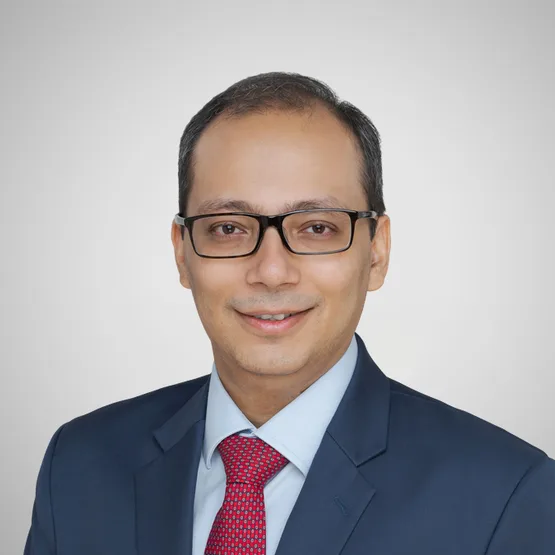 Ankur KanwarHead of Transaction Services & Cash, SG & ASEAN and Global Head PTS
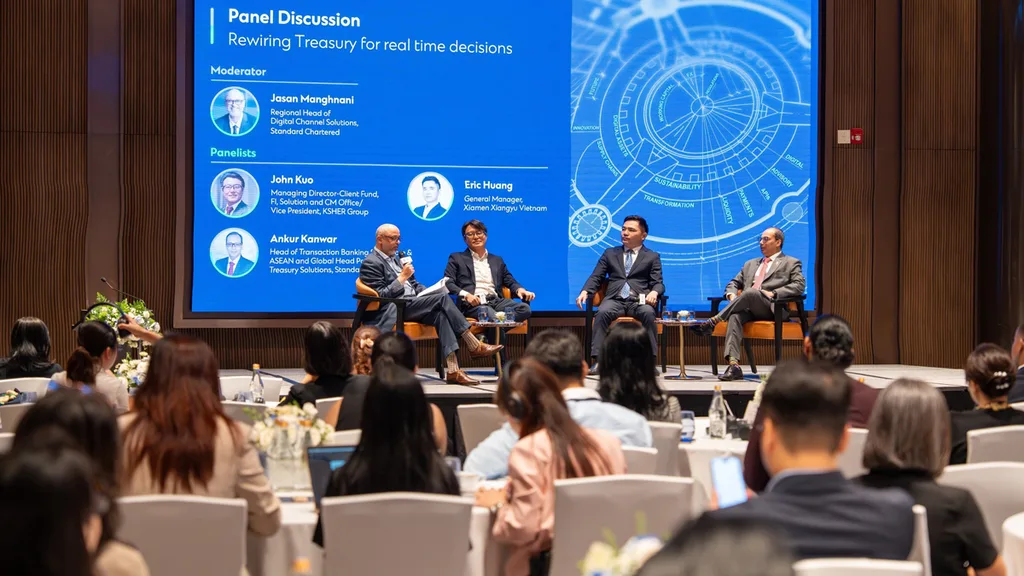
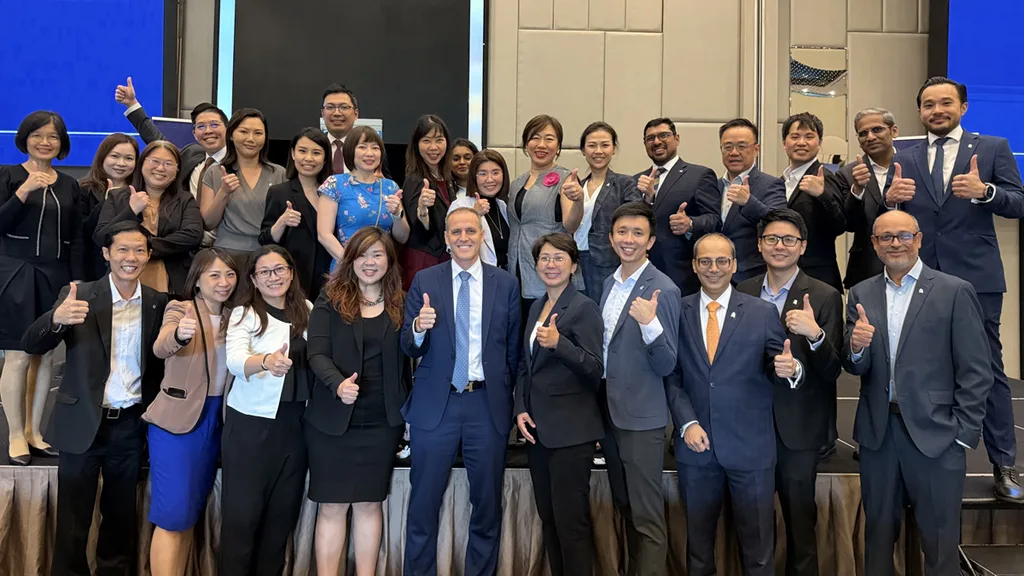
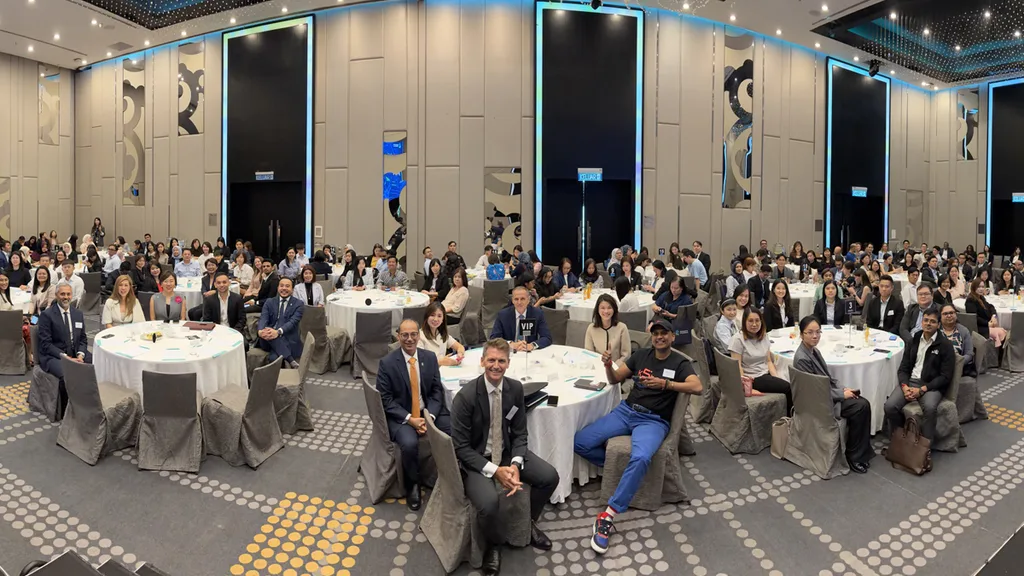
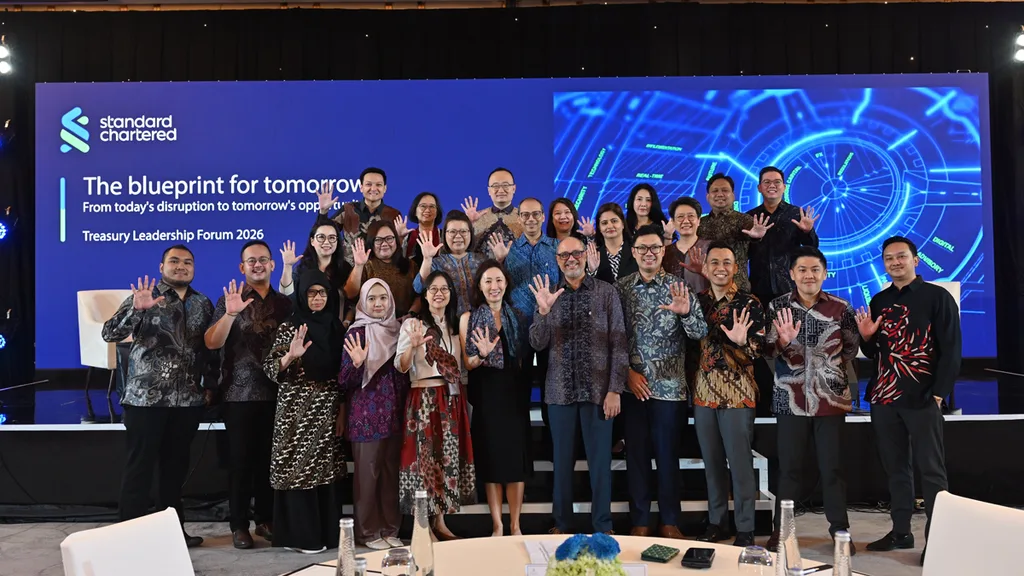
Beyond the discussions, the seven forums brought together more than 1,000 participants and over 50 speakers, creating opportunities for clients, industry experts and regulators to exchange perspectives and explore practical ways to address common treasury challenges.
Shaping what comes next
The Treasury Leadership Forums highlighted a common challenge across ASEAN: deciding where technology can make a genuine difference to treasury operations today, and what needs to be in place before it can do so.
For treasury leaders, three questions are worth asking: Where is the business still losing time to manual processes? Which decisions would improve with better data and visibility? And are the systems and controls ready for greater automation?
The answers will help determine where technology can make the greatest difference, and where investment should come next.
Related insights
Powering international growth: Epiroc
Partnering together with Swedish mining equipment company Epiroc to build a regional centre of excellence across…