How clean energy is transforming the power industry
A global perspective on how solar, wind, nuclear and hydrogen are driving energy transition dynamics.

Around the world, the power and utilities sector is undergoing a profound shift. As energy demand grows – driven by electrification, industrial activity, data-centre expansion and artificial intelligence, clean technologies have become an essential enabler of the transition to less carbon intensive practices. Solar, wind, nuclear, hydrogen, electric mobility and carbon capture are accelerating, enabled by innovation and strong policy support. At the same time, geopolitics, supply-chain pressures and shifting trade dynamics are reshaping how countries and corporates approach long-term energy decision making.
Understanding how these technological and structural forces are evolving is now critical for companies operating in the power, utilities and diversified industrials sectors.
How fast are clean technologies advancing – and what impact will they have?
In our “Industries in Transition” podcast, Power and utilities: clean energy trajectories amid a rapidly changing global trade environment”, Abbas Hussein, Interim Global Head of Infrastructure and Development Finance, highlighted that clean technologies are expected to account for roughly 75 per cent of emissions reduction from energy combustion between 2025 and 2050. Among these, solar and wind have seen the most dramatic improvements. Solar Photovoltaics (PV) costs have fallen by about 90 per cent over the past decade, while onshore wind costs have declined by around 70 per cent. These reductions are driven by innovation, efficiency gains and economies of scale, making renewables among the cheapest sources of electricity in many markets.
Today, solar generates around 7 per cent of global electricity. This is expected to rise to 17 per cent within five years and approximately 25 per cent by 2035 – at which point solar becomes the world’s largest single source of power. Wind power is projected to closely follow. Together, solar and wind may supply nearly half of the world’s electricity by 2035.
Read more about the status, key enablers and challenges faced by various clean technology.
Which regions are expanding fastest?
Recent capacity additions highlight the global acceleration of solar capacity in 2024:
- Europe: leads the way, adding about 60 GW.
- The United States: follows closely, adding around 50 GW.
- China: contributed half of all new global capacity, adding more than 250+ GW.
- India and Brazil: together adding roughly 45 GW.
For wind, about 110 GW was added globally, with roughly two-thirds coming from China.
Looking forward, countries in the Middle East are scaling rapidly, with the following targets:
| Region / Country | Energy transition target |
| Saudi Arabia | 50 per cent renewables, 50 per cent gas in national energy mix. |
| UAE | 44 per cent renewable target in energy mix by 2050. |
| North Africa | 52 per cent renewable electricity target by 2030. |
| Morocco | 52 per cent renewable electricity target by 2030. |
| Egypt | 42 per cent renewable electricity target by 2030. |
| India | Expand renewable capacity from 220GW to 500GW by 2030. |
Africa currently generates less than 10 per cent of its electricity from renewables but has the potential to produce much more.
What roles do nuclear, hydrogen, carbon capture and storage and electric vehicles play?
Nuclear remains a critical low-emission baseload technology, supplying around 9 per cent of global electricity today. More than 60 reactors are under construction across China, the US, the UAE and India, with global capacity expected to rise by around 20 per cent.
Hydrogen is emerging as another key pillar. While around 100 million tonnes of hydrogen were produced last year – mostly from fossil fuels – low-emission hydrogen is projected to account for 80 per cent of supply by 2050. Achieving this requires significant investment, potentially up to USD15 trillion. Hydrogen could replace as much as 25 per cent of global oil demand by 2050.
Carbon capture and storage (CCUS) is expected to expand from around 50 million tonnes of CO₂ captured annually today to roughly 650 million tonnes, reducing emissions across both the power and industrial sectors.
Electric vehicle (EV) adoption is also rising, with global sales increasing by 25 per cent last year to reach 17 million EVs – two-thirds of which were sold in China. However, EVs still represent only about 5 per cent of cars on the road.
How are government policies driving energy transition?
Governments are playing a central role in shaping adoption. The European Union is firmly committed to net zero by 2050 and aims to cut emissions by 90 per cent by 2040. Europe accounted for 20 per cent of global transition investment in 2023, reflecting a 58 per cent year-on-year increase.
In the Middle East, Saudi Arabia and the UAE are rapidly expanding renewable energy hubs. Malaysia, Singapore and Indonesia have strengthened emissions-reduction targets and long-term net-zero pathways. China has embedded transition into national development strategy, targeting peak emissions before 2030 and neutrality by 2060.
What challenges should corporates anticipate?
Despite momentum, several structural challenges remain:
- Supply-chain concentration: China controls roughly 80 per cent of global solar panel manufacturing.
- Regulatory barriers: Inconsistent permitting and standards slow project development.
- Financing gaps: Emerging markets face higher upfront costs and perceived risks.
- Grid limitations: Many grids cannot accommodate large volumes of intermittent renewables.
- Geopolitical risks: Tariffs, sanctions and export restrictions increase costs and delay projects.
These challenges vary by region, requiring tailored solutions.
How can Standard Chartered support corporates preparing for this shift?
- Ensuring project bankability: We work with developers, governments and investors to structure appropriate risk allocation across construction, operations, country risk and offtake arrangements.
- Mobilising long-term financing: Renewables rely on affordable, long-tenor financing. We help clients access global liquidity pools, including institutional investors, multilaterals and DFIs.
- Supporting clean-tech and infrastructure projects across footprint markets: Supporting clean-tech and infrastructure projects across footprint markets.
- Bringing structuring expertise to diverse technologies: We support solar, wind, nuclear-aligned capex, hydrogen, CCUS and transmission projects – all highlighted in the podcast – helping clients navigate financing and regulatory complexities.
- Partnering early to shape commercially viable projects: Before financing begins, we assist clients in building structures that meet investor expectations, improving the likelihood of successful deployment.
As the pace of global transition accelerates, financial innovation and early-stage structuring will be critical. We are committed to supporting clients through this period of change.
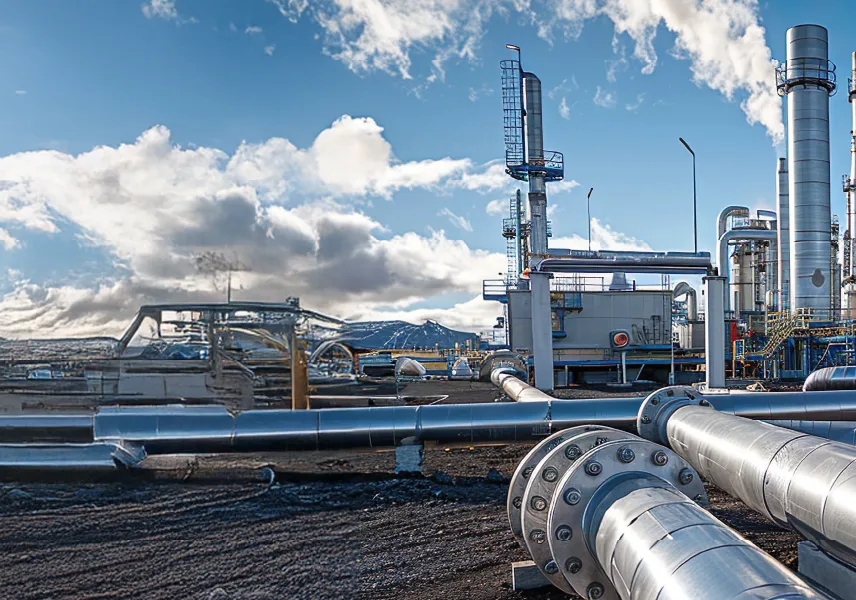
Transition finance
Mobilising capital to support the transition.
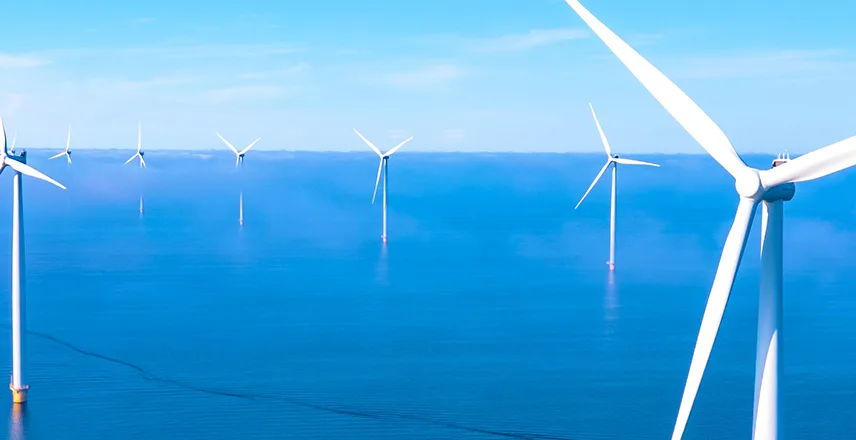
Power Industry’s Transition
Charting the power sector’s different transition pathway.
Explore more insights
ASEAN’s energy transition: What corporates say
ASEAN needs USD400 billion a year to reach net zero. See why corporates see upside in the transition, and how to…
Standard Chartered has an important role to play in supporting our clients, sectors and markets to deliver net zero, but to do so in a manner that supports livelihoods and promotes sustainable economic growth. We currently provide financial services to clients, sectors and markets that contribute to greenhouse gas emissions however we’re committed to net zero in our own operations by 2025 and in our financed emissions by 2050.