How can the power industry accelerate its transition?
Charting the power sector’s different transition pathways – and how we support each with credible, bankable solutions.

As clean technologies scale and policy momentum accelerates, many companies across the Power and Diversified industries are adapting their strategy. Rising electricity demand, geopolitical uncertainty, supply-chain constraints and the need to balance affordability, accessibility and availability are shaping strategic decisions. In this environment, transition is no longer optional – it is fundamental to long-term competitiveness.
How are corporates approaching transition differently?
There are three broad approaches depending on a corporate’s transition maturity:
- High-maturity corporates are expanding investment in renewable energy and decarbonisation technologies.
- Mid-maturity corporates are seeking financing solutions, advisory support and risk-management capabilities.
- Low-maturity corporates are requiring guidance on emissions baselining and setting short- and long-term reduction targets.
Standard Chartered supports all three segments, helping corporates develop clear, credible pathways that align with their sector, geography and financing capacity.
How does regional context shape corporate strategies?
Corporate transition plans can vary significantly across regions due to differing policies and market conditions.
- The European Union has set some of the world’s most ambitious climate targets, including a 90 per cent emissions-reduction goal by 2040.
- Saudi Arabia, the UAE and other Middle Eastern countries are accelerating renewable energy development and grid modernisation.
- Malaysia, Singapore and Indonesia are strengthening emissions-reduction commitments and net-zero pathways.
- China has embedded energy transition into national development planning and is targeting peak carbon dioxide emissions before 2030 and neutrality by 2060.
These policy environments influence corporate investment pace, technology choices and financing structures.
What do real-world transition pathways look like?
We have partnered with clients from the power and diversified sector.
These examples reflect how transition finance can support diverse technologies, from grid infrastructure to nuclear-aligned investment.
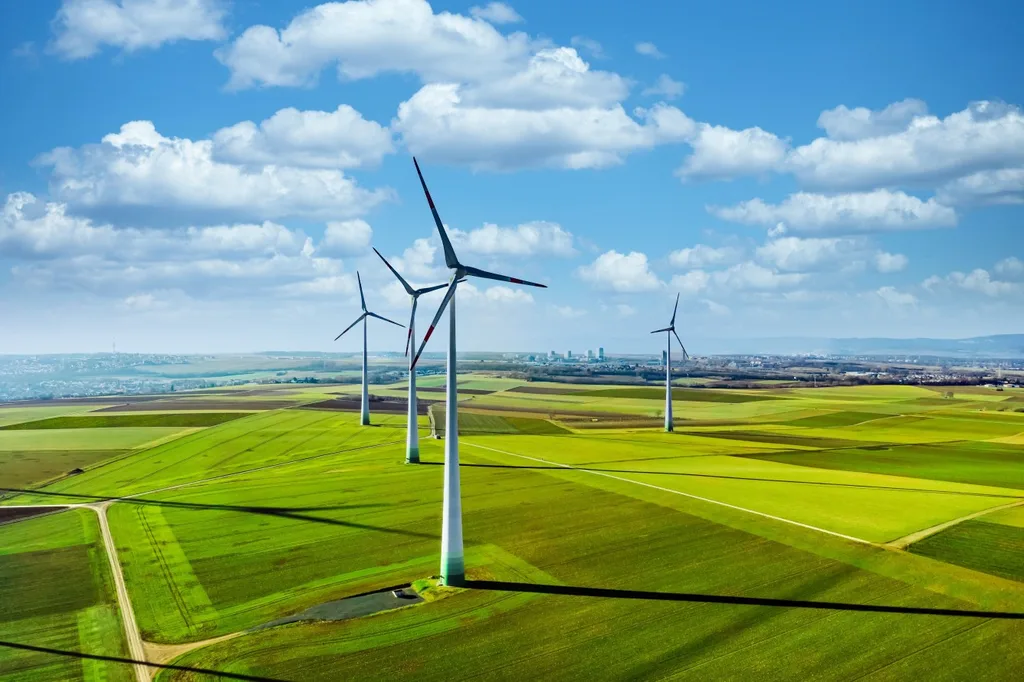
Supporting ACEREZ in NSW, Australia
We acted as Mandated Lead Arranger for ACEREZ, Australia’s first Renewable Energy Zone (REZ) transmission project. This infrastructure will connect solar, wind and storage assets to the grid, enabling greater renewable penetration. Our role centred on structuring long-term financing and assessing bankability, risk allocation and regulatory considerations.

Green senior USD bond for EDF
We acted as global coordinator for Électricité de France’s USD Reg S Green Formosa bond. We supported EDF in aligning with EU-taxonomy requirements related to nuclear capex, enabling the company to extend the life of existing reactors – a core part of France’s low-carbon baseload strategy.
How are corporates balancing affordability, accessibility and availability?
One of the biggest challenges for corporates is balancing the energy trilemma (affordability, accessibility, availability) while transitioning to cleaner energy sources. Electricity demand is expected to rise sharply due to electrification and digital infrastructure. Corporates must maintain affordability while expanding access and ensuring reliability.
To improve efficiency, solutions may include decentralised renewables such as mini-grids, targeted subsidies for affordability, hybrid systems like solar-plus-storage, grid modernisation and digital metering – and the right mix varies by market, making tailored approaches essential.
Why are public–private partnerships so important?
Public–private partnerships (PPPs) are gaining traction because large-scale renewable projects are capital-intensive and require long-tenor financing. According to Leah Li Zhang, Global Co-Head Power and Diversified Industries Sector, and Head of International Corporates, North China , PPPs help overcome barriers by blending government support – such as land access, policy alignment, subsidies or tariff stability – with private-sector technology and operational expertise. This risk-sharing increases investor confidence and improves bankability.
Tune in to the podcast episode to hear more on this.
How does Standard Chartered support corporate transition strategies?
We partner with clients as they move through the transition through:
- Advisory and support across all transition maturity levels: From emissions baselining and target-setting to structuring transition finance frameworks.
- Project finance for renewable energy, transmission, storage and nuclear-aligned investment: We provide long-tenor financing needed to build large-scale infrastructure.
- Ensuring project bankability: We play a critical role in structuring risk allocation across construction, operations, offtake and country exposure – a prerequisite for attracting lenders.
- Expertise in sustainable finance and taxonomy alignment: We support clients in securing green accreditation and aligning with regional taxonomies.
- Deep footprint in high-growth markets: With more than 170 years of experience across Asia, Africa and the Middle East, we are uniquely positioned to support clients operating in regions with significant transition needs.
Across all these areas, we help corporates navigate complexity, manage risk and mobilise capital – enabling them to progress toward their transition goals with confidence.
Find out more about our transition finance advisory today.
For the global technology and policy trends shaping these strategies, read part 1: Clean energy technology and its impact on the power industry.
Explore more insights
Unlocking capital for clean cooking and emissions reductions
Find out how we helped the World Bank unlock affordable capital for clean energy projects in Ghana.
Standard Chartered has an important role to play in supporting our clients, sectors and markets to deliver net zero, but to do so in a manner that supports livelihoods and promotes sustainable economic growth. We currently provide financial services to clients, sectors and markets that contribute to greenhouse gas emissions however we’re committed to net zero in our own operations by 2025 and in our financed emissions by 2050.